When an Aging Parent Pushes Back on Home Changes
Helping a parent accept changes at home can be harder than choosing the changes themselves. Even small updates can feel personal. A new grab bar, brighter lighting, or a furniture shift may seem sensible to you, but to your parent it may signal loss, dependence, or unwanted pressure.
That is why caregiver planning matters as much as the physical modification. The goal is not to take over the home. It is to make daily life easier and safer while protecting your parent's sense of control.
A calmer approach usually works better than a persuasive one. Involve your parent in decisions, introduce changes gradually, and talk about comfort and ease rather than decline or danger. That approach aligns with implementation guidance on aging in place and with research showing that home modifications can support function and reduce fall-related risk when they fit the person's real needs.
If you are not sure where to start, focus on one question: What small change would make one daily task easier without making your parent feel managed?
Collaborative Planning: Involving Parents in the Process
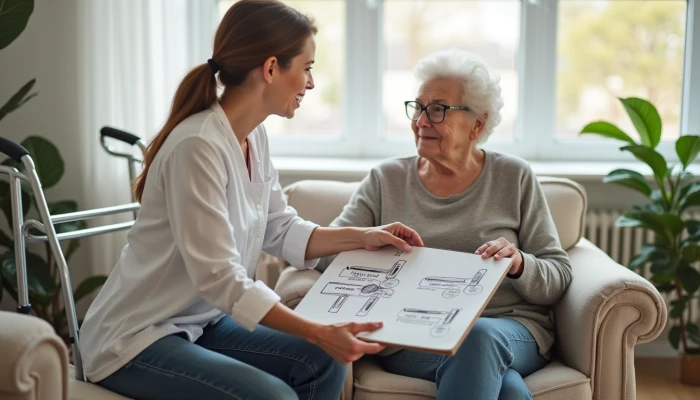
Resistance often drops when a parent feels included instead of assessed. Before discussing equipment or home modifications for seniors, start with everyday routines. Ask what feels tiring, awkward, or frustrating. A parent may reject the idea of a "safety upgrade" but willingly talk about stepping into the tub, reaching kitchen items, or getting up at night.
A useful way to begin is to observe the home together rather than announce a list of fixes. Practical guidance on home safety assessments often emphasizes watching how the home is actually used. That can reveal more than a generic checklist alone. You may notice that your parent steadies themselves on a towel bar, avoids a dim hallway, or leaves frequently used items in hard-to-reach places.
Keep the conversation centered on preferences as well as problems. Ask questions like these:
- Which room feels the most inconvenient lately?
- Is there anything you avoid doing because it feels like too much trouble?
- Are there changes that would make the house feel easier to manage?
- What would you not want changed?
That last question matters. It shows respect and helps you understand emotional boundaries early.
You can also use a simple planning sequence together.
- Walk through the home room by room.
- Notice friction points in daily routines.
- Mark which issues bother your parent most.
- Choose one or two small changes first.
- Revisit after a few weeks and adjust.
This approach turns a home safety checklist for elderly parents into a shared decision tool instead of a top-down inspection. It also helps with an aging parent checklist because it connects changes to real tasks, not abstract worries.
If disagreements continue, narrow the scope. Instead of debating the whole house, discuss one activity such as bathing, nighttime walking, or carrying laundry. Smaller decisions are often easier to accept.
When a parent has complex mobility, vision, or cognitive concerns, consider a qualified home safety assessment or input from an occupational therapist or other appropriate professional. Outside guidance can sometimes feel less personal than advice from family, and it may help identify options that fit the home and the person's routines.
Gradual Implementation: Making Changes Feel Manageable
Even good ideas can fail if they arrive all at once. A parent who feels overwhelmed may reject everything, including the changes that would have been acceptable on their own. Gradual implementation is often the most practical path.
Start with low-disruption changes that do not make the home feel medical. Many families find it easier to begin with lighting, decluttering walkways, improving contrast on stairs, reorganizing frequently used items, or adding seating where standing is tiring. These kinds of changes can support comfort and ease without immediately changing the look or identity of the home.
When possible, choose early steps that are easy to try. The point is not to "sneak in" changes. It is to build trust by showing that small adjustments can be useful without taking over the space.
Here is a simple way to pace changes.
| First steps | Why they may feel easier |
|---|---|
| Brighter bulbs or motion-sensor lighting | Improves visibility without changing routines much |
| Clearing cords and loose rugs | Reduces tripping hazards with little visual disruption |
| Moving daily-use items to waist level | Makes tasks easier without adding equipment |
| Adding a stable chair in a dressing or bathing area | Supports comfort and rest |
| Marking stair edges with contrast tape where appropriate | Can make stairs easier to see |
After one or two changes, pause. Let your parent live with them. Then ask what feels better, what feels unnecessary, and what still feels difficult. That feedback loop makes later changes more collaborative.
Language also matters. Try framing changes as improvements to comfort, convenience, or energy use rather than corrections. For example, "This might make the bathroom easier to use" often lands better than "You need this so you do not fall." The safety benefit is still real, but the tone is less clinical.
If a parent strongly resists a larger change, do not force a full yes-or-no decision too quickly. Break it into smaller steps. For example, before discussing a more permanent bathroom update, you might first talk about where support is needed getting in and out of the shower, or whether a place to sit would make bathing less tiring.
A gradual approach is also easier on the caregiver. It gives you time to compare options, schedule help if needed, and update your caregiver emergency checklist as the home setup changes. It also lowers the chance of spending money on changes your parent will not use.
Framing Safety as Empowerment: Communicating Benefits Without Overtones of Clinical Risk
Many parents hear safety talk as a message about decline. That is why the framing matters. If every conversation sounds like a warning, your parent may feel judged or managed. A better approach is to connect changes to autonomy.
Instead of focusing on what could go wrong, focus on what the change helps them keep doing. A shower chair can be described as a way to bathe with less fatigue. Better lighting can support reading labels, moving around at night, or welcoming guests more comfortably. A handrail or grab bar can be framed as extra support for doing things on their own terms.
This is not about minimizing risk. It is about presenting the benefit in a way that respects dignity. Research on home modifications suggests they can support functional independence and help reduce fall-related risk, but no single change removes all risk. That makes it even more important to choose language that is honest and calm.
These phrasing shifts can help.
| Less helpful | More helpful |
|---|---|
| "You can't manage the bathroom safely anymore." | "Let's make the bathroom easier and more comfortable to use." |
| "You need monitoring because we're worried." | "Would a check-in tool help you feel more connected without changing your routine too much?" |
| "This house is becoming dangerous." | "There may be a few spots we can make more convenient and supportive." |
| "You shouldn't do stairs alone." | "Would extra support on the stairs make them feel less tiring?" |
Privacy and control also matter, especially if the conversation expands beyond physical changes to reminders, check-ins, or monitoring tools. Research involving older adults commonly finds that people want a balance between safety and privacy, and they want to understand the benefit before accepting a change. That means the discussion should include choice.
You might ask:
- What kind of help feels useful, and what feels intrusive?
- Would you prefer a change you can see, like better lighting, or one that works quietly in the background?
- Do you want to try this for a short period and then decide?
This kind of conversation supports independent living for seniors because it keeps the parent involved in setting the terms.
If you need a simple rule for difficult moments, use this: describe the change in terms of what it helps your parent continue doing, not what it says about what they can no longer do. That keeps the focus on capability, not loss.
Over time, this approach can make future conversations easier. Once a parent sees that a small change truly supports daily life, they may be more open to the next step.
Conclusion
Helping a parent accept home changes is rarely about winning an argument. It is usually about building trust, moving at a manageable pace, and showing respect for the life they already know.
The most effective approach is often the least dramatic. Start with collaboration. Look for one daily friction point. Make one small change. Then check in and adjust together.
That balance between safety and autonomy is the heart of good caregiver planning. It does not guarantee that every change will be welcomed, and it does not remove every risk. But it does create a more workable path toward aging at home with greater comfort, dignity, and support.
If you are unsure what to tackle first, begin with the area your parent uses every day and the change they are most willing to discuss. Small agreement is often the best starting point for bigger progress.