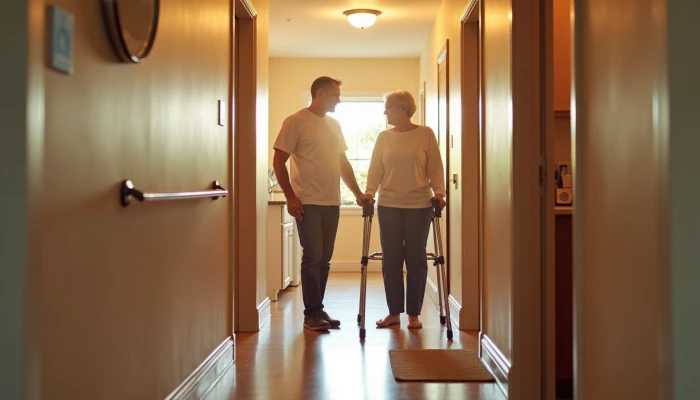
Where Home Safety Problems Show Up First for Older Adults
Aging at home often works best when families can spot small problems before they turn into bigger disruptions. The challenge is that many risks do not look dramatic at first. A dim hallway, a slippery bathroom floor, or a cluttered walking path can seem manageable until mobility, balance, or stamina changes.
This guide focuses on five common home safety problems that often affect older adults living at home. It explains what to look for, offers practical non-technical steps, and points out when a licensed contractor, occupational therapist, healthcare provider, or other qualified professional may be worth contacting.
Falls are a major concern in later life, and public health guidance consistently identifies the home as an important place to reduce risk. That does not mean every hazard leads to injury, and it does not mean one change solves everything. But a thoughtful home safety checklist for elderly parents can make aging in place more manageable and less overwhelming for both older adults and caregivers.
1. Fall Risks in High-Traffic Areas
High-traffic areas are often the first place to start because they are used many times each day. Entryways, hallways, stairs, and the path between the bedroom and bathroom tend to collect small hazards that are easy to overlook.
Fall prevention guidance for older adults consistently points to common issues such as loose rugs, uneven flooring, poor lighting, and missing hand support. Falls are widely recognized as a leading cause of injury for older adults, which is why these everyday spaces deserve attention first.
Look for problems like these:
- Rugs that slide or curl at the edges
- Shoes, bags, or boxes left near doors
- Extension cords crossing walkways
- Burned-out bulbs or dark stair landings
- Steps without sturdy handrails
- Flooring transitions that catch a toe or walker
Simple steps can help reduce risk without turning the home into a construction project.
- Remove or se loose rugs
- Keep main walking routes clear and wide enough for steady movement
- Improve lighting at entrances, stairs, and hallways
- Add non-slip mats where needed
- Make sure handrails are present and firmly attached on stairs
Use this quick senior fall prevention checklist for high-traffic areas:
| Area | What to check | Simple action |
|---|---|---|
| Entryway | Wet floors, shoes, clutter | Add a stable mat and keep the floor clear |
| Hallway | Dim lighting, narrow path | Replace bulbs and remove stored items |
| Stairs | Missing rail, poor visibility | Repair railings and improve lighting |
| Bedroom-to-bath path | Nighttime darkness | Add easy-to-reach lighting |
Seek professional help if a stair rail feels loose, flooring is uneven enough to create a trip hazard, or the older adult has repeated near-falls in the same area. Structural repairs and lighting changes may require a licensed professional, especially if wiring or major flooring work is involved.
2. Bathroom Safety Modifications
Bathrooms are one of the most challenging rooms for aging in place because they combine water, hard surfaces, tight spaces, and frequent transfers in and out of the tub, shower, or toilet. Bathroom safety for seniors usually starts with reducing slip risk and improving support.
Practical guidance commonly emphasizes non-slip surfaces, grab bars in key locations, and toilet setups that are easier to use. Even small changes in this room can make daily routines feel more stable and less tiring.
Focus on these common trouble spots:
- Slippery tub or shower floors
- No stable hand support near the toilet or shower
- Low toilet height that makes standing harder
- Towels or supplies stored out of easy reach
- Poor lighting for nighttime bathroom trips
Helpful non-technical changes include:
- Add non-slip surfaces in the tub or shower
- Install properly placed grab bars for seniors near the toilet and bathing area
- Improve lighting, especially for nighttime use
- Keep soap, towels, and toiletries within easy reach
- Consider a comfort-height toilet if sitting and standing are difficult
A few bathroom changes need more than a simple home fix. If the older adult struggles to step over a tub wall, cannot bathe safely even with support, or needs a more accessible layout, it may be time to consult a contractor experienced in accessibility work. An occupational therapist can also help identify which bathroom safety modifications match the person’s mobility and daily routine.
That matters because not every bathroom setup works for every person. A well-placed support feature can help, but poor placement can be frustrating or unsafe.
3. Mobility and Walking Path Hazards
A home can look tidy overall and still have difficult walking paths. This is especially common when someone uses a cane, walker, or simply needs more space and time to move safely.
Walking path hazards often include clutter, cords, small furniture, pet items, and uneven thresholds between rooms. These are easy to miss because they blend into normal household life, but they can interfere with balance and foot clearance.
Check the routes used most often:
- Bed to bathroom
- Chair to kitchen
- Front door to main living space
- Path to laundry area or mailbox
Then make practical adjustments.
- Remove loose cords from walking areas
- Rearrange small furniture to create wider paths
- Reduce clutter on the floor, especially baskets and decorative items
- Mark hard-to-see steps or thresholds with contrasting tape
- Improve lighting where shadows make edges harder to judge
If mobility has changed noticeably, the home may need a more formal review. A professional home safety assessment for seniors or an occupational therapy evaluation can help identify whether ramps, stairlifts, threshold changes, or other accessibility improvements should be considered.
This is also a good point to reassess habits, not just the environment. If someone is carrying laundry on stairs, rushing to answer the door, or walking in socks on smooth floors, the behavior may be part of the risk picture too.
4. Kitchen and Living Area Hazards
Kitchens and living rooms are central to daily independence, but they can become harder to use safely when reach, grip strength, balance, or reaction time changes. The goal is not to remove normal activity. It is to make the most-used tasks easier and safer.
In the kitchen, common problems include slippery floors, poor lighting, crowded countertops, and frequently used items stored too high or too low. In living areas, the biggest issues are often clutter, unstable furniture, and pathways blocked by décor or storage.
A simple way to review these spaces is to ask: what does the person use every day, and how many awkward movements does it take to reach it?
Try these changes:
- Keep everyday dishes, food, and tools between waist and shoulder height
- Wipe up spills promptly and avoid slick floor surfaces
- Improve task lighting near counters and seating areas
- Reduce countertop crowding so there is room to work steadily
- Arrange furniture to allow direct, open walking paths
- Avoid using unstable chairs or tables as support
This kind of senior-friendly home organization can support independence without making the home feel clinical. It also helps caregivers notice where strain is building into normal routines.
Consider professional input if the person can no longer use the kitchen safely, has repeated trouble transferring in and out of favorite chairs, or needs layout changes that affect cabinetry, flooring, or wall-mounted supports. A healthcare provider or occupational therapist may also help if fatigue, dizziness, or weakness is affecting daily tasks.
5. Emergency Preparedness and Medical Alert Systems
Home safety is not only about preventing hazards. It is also about being prepared when something does go wrong. A clear emergency plan can reduce confusion and help older adults get assistance faster.
Start with the basics.
- Keep a phone within easy reach in main living and sleeping areas
- Post important contact numbers in a visible place
- Make sure family or caregivers know how to enter the home in an emergency if appropriate
- Review what to do after a fall, power outage, or sudden illness
- Keep pathways clear so emergency responders can move through the home if needed
Medical alert systems may also be part of the plan. They can offer a way to call for help quickly, and some families find that reassuring. Still, they are not a substitute for supervision, medical care, or a safer home setup.
This quick planning checklist can help:
| Emergency item | Why it matters | What to do |
|---|---|---|
| Easy phone access | Faster contact in urgent situations | Place phones where they can be reached without rushing |
| Contact list | Reduces confusion under stress | Post family, neighbor, and clinician numbers clearly |
| Entry plan | Helps responders or caregivers get in | Decide who has access and how |
| Alert device review | Checks fit with actual needs | Discuss use, comfort, and limitations |
Consult a healthcare provider if falls, fainting, confusion, or wandering are becoming more common, or if the person may not be able to use an alert device reliably. Families may also want guidance if they are balancing independent living for seniors with increasing supervision needs.
Conclusion
Most home safety problems during aging at home are not hidden. They tend to show up in familiar places: the stairs, the bathroom, the walking path to the kitchen, or the route taken at night. The value of a home review is that it turns vague worry into specific next steps.
Start with the areas used most often. Clear the path, improve lighting, reduce slip hazards, and make everyday tasks easier to do without strain. Then pay attention to patterns. Repeated near-falls, trouble with transfers, or growing difficulty using the bathroom or stairs are signs that simple changes may no longer be enough.
A practical home safety plan does not need to be perfect to be useful. It just needs to help the older adult move through daily life with more support, less friction, and a clearer sense of when to bring in qualified help.