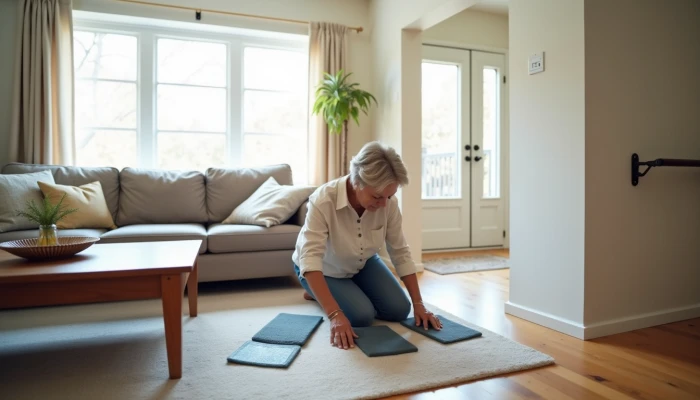
A Room-by-Room Home Safety Check for Aging in Place
A home that once felt easy to navigate can slowly become harder to use safely. Small issues like poor lighting, loose rugs, awkward storage, or a slippery tub may not seem urgent on their own, but together they can make daily routines more difficult and increase fall risk.
This guide offers a simple, self-directed way to review home safety for seniors. It is designed for older adults planning ahead, family caregivers, and anyone using a home safety checklist for elderly parents.
The goal is not to create a perfect home or promise that every risk can be removed. Instead, it helps you do a practical walkthrough, room by room, so you can identify hazards, prioritize changes, and make realistic improvements over time.
A helpful way to use this checklist is to walk through the home with a notepad and mark each item as:
- OK now
- Needs attention soon
- Needs outside help
That simple system can make the process feel manageable and easier to revisit as needs change.
Key Areas to Evaluate: Room-by-Room Safety Checklist
A room-by-room review works well because most hazards are tied to daily routines. Focus first on spaces used several times a day, especially where standing, turning, reaching, and getting in or out of position are common.
Use this checklist during your walkthrough.
| Area | What to check | Why it matters |
|---|---|---|
| Bathroom | Slip-resistant surfaces, stable grab points, toilet height, easy access to toiletries, clear floor space | Wet surfaces and transfers in and out of the tub or toilet are common problem areas |
| Kitchen | Bright lighting, frequently used items within easy reach, uncluttered walkways, stable floor surfaces | Reaching, carrying, and turning quickly can increase risk |
| Living areas | Clear pathways, stable furniture, cords out of walkways, smooth flooring transitions | These rooms often have hidden tripping hazards |
| Bedroom | Easy path from bed to door or bathroom, reachable lamp or light switch, stable bed height | Nighttime walking and transfers can be harder |
| Stairs and hallways | Se handrails, even lighting, visible step edges, clutter-free passage | Changes in level and poor visibility raise fall risk |
| Entryways | Se threshold, weather-safe footing, sturdy railings, space for bags or mobility aids | Entering and leaving the home can involve uneven surfaces |
For the bathroom safety for seniors review, pay close attention to the tub, shower, and toilet area.
- Is there a non-slip surface where feet get wet?
- Is there enough room to turn safely?
- Are soap, towels, and toiletries easy to reach without bending or stretching?
- Is there a stable support point near the toilet and bathing area?
In the kitchen, think less about cooking skill and more about movement patterns.
- Are everyday dishes and food stored between waist and shoulder height?
- Are walkways clear enough for safe turning and carrying?
- Is task lighting strong enough over counters and the stove?
- Are spills easy to notice and clean quickly?
In living areas, look for hazards that blend into the background.
- Are rugs sliding or curling at the edges?
- Do furniture layouts force tight turns?
- Are cords crossing walking paths?
- Are chairs easy to sit in and stand up from?
Do not skip the bedroom, hallways, and entry areas. Many falls happen during ordinary transitions, especially at night or when someone is in a hurry.
A useful final check is to walk the home as if carrying laundry, using a cane or walker, or getting up to use the bathroom at night. That often reveals problems a normal visual scan misses.
Common Fall Hazards and Simple Modifications
Many common fall hazards are easy to recognize once you know what to look for. The most useful first step is removing or reducing obvious risks before considering larger changes.
Common fall hazards in senior homes often include:
- Loose throw rugs
- Clutter in walkways
- Electrical cords across the floor
- Poor lighting in halls, stairs, and bathrooms
- Slippery tub or shower surfaces
- Missing or inse handrails
- Uneven flooring or abrupt floor transitions
- Frequently used items stored too high or too low
Simple modifications can make these spaces easier to use.
- Remove loose rugs or se them firmly
- Rearrange furniture to create wider walking paths
- Move cords behind furniture or along walls
- Add brighter bulbs where visibility is poor
- Place non-slip mats in shower or tub areas when appropriate
- Install handrails on both sides of staircases where possible
- Repair curled carpet edges, cracked flooring, or unstable thresholds
This is where a senior fall prevention checklist becomes especially helpful. Instead of asking whether a home is safe in general, ask whether each hazard has a clear next step.
| Hazard | Simple response |
|---|---|
| Rug slides underfoot | Remove it or se it properly |
| Bathroom floor gets slick | Add traction and keep towels within reach |
| Stair edge is hard to see | Improve lighting and mark edges for visibility |
| Hallway is dark at night | Add easy-to-activate lighting |
| Frequently used items require climbing | Move them to easier-to-reach storage |
Try to prioritize changes in this order:
- Hazards that could cause an immediate trip or slip
- Areas used several times a day
- Nighttime routes, especially bed-to-bathroom paths
- Stairs, entries, and wet areas
Small fixes matter, but they should be done thoughtfully. For example, adding a mat can help in one setting but create a new edge to trip over in another. The safest choice depends on whether the item stays flat, stays put, and does not interfere with walking aids.
The goal is not to remove every object from the home. It is to reduce unnecessary obstacles while keeping the space comfortable and usable.
DIY Safety Improvements on a Budget
Not every improvement requires a major project. Some of the most practical aging in place changes are small, affordable, and realistic for households trying to improve safety step by step.
Focus on upgrades that improve visibility, reduce slipping, and make daily tasks easier.
Useful low-cost ideas include:
- Add contrasting tape to stair edges to improve visibility
- Install motion-sensor lighting in hallways, bathrooms, and entry routes
- Place everyday items in easy-reach storage zones
- Use clearly labeled bins or baskets to reduce clutter
- Add a shower chair or bench seat if standing for bathing feels less steady
- Improve bedside lighting and keep a clear path to the door
- Place a stable chair near entry areas for putting on shoes
A simple budget-friendly sequence can help you avoid doing too much at once.
- Start with lighting
- Clear and widen walking paths
- Address bathroom slip risks
- Improve stair visibility and hand support
- Reorganize storage to reduce bending and reaching
These changes are often more effective when paired with better home organization. A safer home is not only about added equipment. It is also about reducing rushed movement, awkward reaching, and unnecessary obstacles.
For example, a safer setup might include:
- Medications, glasses, and a phone kept in one easy-to-reach spot
- Towels stored near the shower instead of across the room
- Kitchen tools moved from high shelves to middle shelves
- Shoes stored where they can be put on while seated
Be cautious with any project that affects wiring, plumbing, structural supports, or stair systems. Budget-friendly does not mean improvising unsafe solutions. Avoid makeshift fixes that wobble, peel, shift, or create new trip points.
A good rule is this: if a change improves visibility, stability, or ease of movement without adding complexity, it is usually worth considering as part of a home safety for seniors plan.
When to Seek Professional Guidance
A self-check can help you spot many issues, but some situations call for outside guidance. That does not mean every home needs a full professional evaluation. It means certain risks are better handled by qualified people, especially when safety depends on proper installation or structural changes.
Consider outside help when the home may need:
- Structural changes such as widened doorways or ramp construction
- New railings, major bathroom alterations, or other modifications that must be sely installed
- Electrical upgrades for lighting, outlets, or switches
- Flooring replacement where uneven surfaces are widespread
- Accessibility changes that may involve permits or code requirements
It can also help to seek guidance when the safety challenge is not just physical layout. For example, if someone has confusion, wandering, or trouble using familiar rooms safely, the home may need a more specialized review.
A practical way to decide is to separate tasks into three categories.
| Type of task | Example | Best next step |
|---|---|---|
| Simple home setup change | Remove clutter, reorganize shelves, improve lamp placement | Do it during your walkthrough |
| Basic equipment or fixture update | Add lighting, install simple visibility markers, place bathing support items | Consider household skill level and installation needs |
| Complex safety modification | Structural, electrical, or code-related work | Use qualified professional help |
You may also want guidance if the same problem keeps coming back. Repeated near-falls, trouble getting in or out of the bath, difficulty managing stairs, or unsafe transfers can be signs that a simple checklist is no longer enough on its own.
The checklist is a starting point, not a substitute for skilled assessment where it is needed. Used well, it helps you know when a small fix is enough and when a larger safety issue deserves more support.
Conclusion
A home safety review does not have to be complicated to be useful. A calm, room-by-room walkthrough can help you spot common hazards, make practical changes, and create a clearer plan for what needs attention next.
The most effective approach is usually ongoing, not one-time. Needs can change with mobility, vision, balance, routines, or caregiving responsibilities. Revisiting your checklist every few months, or after a health or mobility change, can help the home keep up.
If you are supporting an older relative, this kind of home safety checklist for elderly parents can turn vague worry into specific action. Start with the highest-risk areas, make the simplest improvements first, and build from there. Regular review and realistic updates can support comfort, independence, and safer daily living over time.