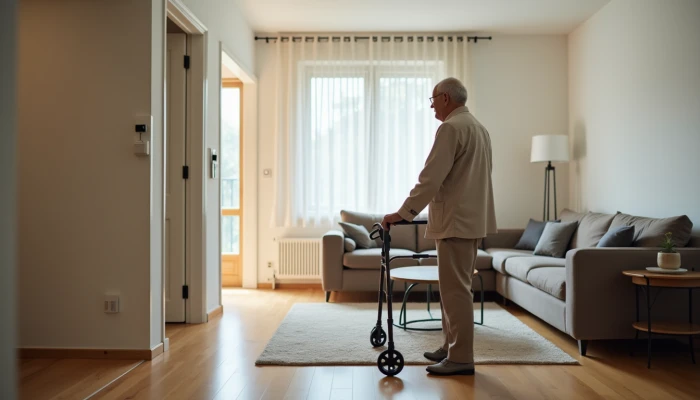
Affordable Changes That Can Make a Home Easier to Age in
Aging in place often sounds expensive, but many useful changes are modest, gradual, and easier to plan than families expect. For older adults who want to stay at home, and for caregivers trying to make that possible, the goal is usually not a full renovation. It is to reduce everyday friction, lower common safety risks, and make the home easier to move through.
This guide focuses on affordable home modifications for seniors, especially simple updates that support comfort and independence without assuming a large budget. You will find low-cost ideas, temporary fixes, room-by-room priorities, and a practical way to decide what to do first.
A helpful mindset is to start with the places where slips, poor lighting, and hard-to-reach features create the most trouble. Small changes such as better lighting, non-slip surfaces, and bathroom supports may not solve every problem, but they can make daily routines more manageable while you plan larger improvements if needed.
Common Low-Cost Home Modifications for Safety
Many affordable safety updates focus on three common issues: slipping, poor visibility, and lack of support during transfers. These are often the first areas families address because they affect daily routines right away.
Non-slip flooring options are one of the simplest starting points. Bathrooms, kitchens, laundry areas, and entryways tend to be higher-risk spots because water or smooth flooring can increase slip hazards. Depending on the surface, practical options may include non-slip mats with se backing, textured adhesive strips, or slip-resistant flooring overlays. The main goal is to improve traction without creating new edges that could become trip hazards.
Motion-sensor lighting can also be a useful low-cost change. Hallways, stair landings, bathrooms, and the path from the bed to the toilet are common places where nighttime visibility matters. Plug-in or battery-powered lights may help reduce the need to search for switches in the dark. Good lighting does not prevent every fall, but implementation guidance commonly emphasizes it as a basic safety improvement.
Bathrooms are another high-priority area. Grab bars for seniors can provide support near the toilet and in the shower or tub area, but placement and se installation matter. Temporary or no-drill options may be considered in some situations, especially for renters, though they are not interchangeable with permanently anchored bars. If a person relies heavily on them for weight-bearing support, it is wise to confirm what type of installation is appropriate.
Shower chairs for seniors can also make bathing more manageable when standing for long periods feels tiring or unsteady. A chair does not replace supervision when someone needs hands-on help, but it can reduce strain during bathing.
If you are deciding where to start, use this simple priority checklist.
- Improve lighting in hallways, stairs, bathrooms, and entryways
- Add non-slip surfaces in bathrooms and kitchens
- Remove loose rugs or se them properly
- Add support features near the toilet and shower
- Clear cords, clutter, and small furniture from walking paths
- Check that frequently used items are easy to reach without climbing or bending
These updates are often more realistic than major remodeling, and they can create a safer baseline before larger projects are considered.
Funding Programs and Assistance for Home Modifications
Cost is one of the biggest reasons families delay home changes. That is understandable, especially when needs are changing and it is not yet clear which modifications will matter most. Before paying out of pocket for everything, it can help to look into funding programs for seniors and other forms of assistance.
Some support may come from government programs, tax credits, state or local aging services, disability-related assistance, or nonprofit grants. Availability and eligibility vary by location, income, disability status, veteran status, and whether the modification is tied to a documented functional need.
Insurance may sometimes help with certain items or services when they are considered medically necessary, but coverage rules differ widely. Families should be careful not to assume that a home modification will be covered just because it supports safety.
A practical way to organize the search is to compare options by what they usually require.
| Funding source | What it may help with | Common eligibility factors |
|---|---|---|
| State or local assistance programs | Basic accessibility or safety upgrades | Age, income, disability status, location |
| Nonprofit grants | Targeted home safety improvements | Financial need, referral process, local availability |
| Veteran-related benefits | Accessibility improvements for eligible veterans | Service-related criteria, documentation |
| Tax credits or deductions | Some qualifying home modification expenses | Tax rules, documentation, jurisdiction |
| Insurance-related coverage | Limited items tied to medical necessity | Plan rules, clinician documentation, prior approval |
When contacting a program, ask these questions.
- What types of modifications are eligible?
- Is there an income limit or age requirement?
- Do renters qualify, or only homeowners?
- Is a professional assessment required?
- Are receipts, estimates, or medical documentation needed?
- Is there a waiting list?
Because program details can change, it is best to verify current rules directly with the agency or organization involved. If a family is overwhelmed, an area aging agency, social worker, or care manager may help point them toward local options.
DIY Solutions and Temporary Fixes
Not every improvement requires a contractor. Some of the most useful changes are simple household adjustments that reduce obstacles right away. The key is to stay within safe limits and avoid projects that involve structural work, electrical work, or heavy-duty mobility equipment installation.
One of the easiest fixes is rearranging furniture. Clear, wide walking paths can make a noticeable difference for someone using a cane, walker, or simply moving more slowly. Remove small tables from narrow routes, keep cords away from foot traffic, and place frequently used items at waist or shoulder height when possible.
Threshold ramps can help smooth small height changes at doorways, especially where a walker or wheelchair catches on the edge. Temporary ramps may be useful for short-term needs, but the fit and stability still matter. If the height difference is significant or the person has complex mobility needs, a professional evaluation is safer.
Adhesive-backed non-slip mats and strips can be helpful in bathrooms and kitchens, especially when they lie flat and do not curl at the edges. Temporary grab bars may also be marketed for convenience, but families should treat them carefully. A temporary aid may be suitable for light balance support in some cases, yet it should not be assumed to perform like a permanently installed support bar.
It may help to divide DIY changes into safe-now tasks and professional-later tasks.
Safe-now tasks
- Remove clutter from walkways
- Improve lamp placement and bulb brightness where appropriate
- Add nightlights or motion-sensor lighting
- Se or remove loose rugs
- Reorganize storage to reduce reaching and bending
- Add clearly visible labels to switches or storage areas if helpful
Professional-later tasks
- Permanent grab bar installation
- Major flooring replacement
- Door widening
- Stair lift installation
- Electrical outlet relocation
- Structural ramp construction
Temporary fixes can be useful bridges, especially after a hospital stay or during a period of changing mobility. But they work best when they are part of a broader plan rather than the only strategy.
Room-by-Room Modification Priorities
A room-by-room approach can make the process less overwhelming. Instead of trying to change the whole house at once, focus first on the spaces used every day.
The bathroom is often the highest priority because it combines water, hard surfaces, and awkward movements. Bathroom safety for seniors often starts with a stable shower chair, a handheld showerhead, brighter lighting, and support near the toilet and bathing area. If stepping over a tub wall is difficult, that issue may deserve early attention even before cosmetic updates elsewhere.
In the kitchen, the goal is easier access and less strain. Lever-style faucets may be easier to use than knobs for some people. Accessible storage can reduce the need to climb, kneel, or overreach. Raised outlets are a larger project, but they may be worth discussing if bending is difficult and other kitchen updates are already planned.
The bedroom should support safe nighttime movement and easier transfers. Nightlights, reachable lamps, a clear path to the bathroom, and stable bed height can all help. Bed rails may be considered in some situations, but they should match the person and the bed setup rather than being added automatically.
Here is a simple way to prioritize by room.
| Room | First low-cost changes | Signs a bigger change may be needed |
|---|---|---|
| Bathroom | Non-slip surface, better lighting, shower chair, support near toilet | Trouble stepping into tub, repeated near-falls, no safe transfer support |
| Kitchen | Reorganize storage, improve lighting, reduce reaching | Unsafe bending, inaccessible work areas, repeated difficulty using sink or counters |
| Bedroom | Nightlights, clear pathways, easy-to-reach essentials | Unsafe transfers, frequent nighttime disorientation, hard-to-access bathroom route |
| Entryway and halls | Motion-sensor lighting, remove clutter, improve traction | Steps are difficult, thresholds block mobility aids, hand support is missing |
This approach helps families spend where it matters most instead of spreading the budget thin across lower-priority improvements.
Conducting a Home Safety Assessment
A home safety assessment helps turn general concern into a practical plan. Instead of guessing what to buy or change first, you look at how the person actually moves through the home and where the friction points show up.
Start with a basic walkthrough during normal daily routines. Watch for places where someone pauses, grabs furniture for support, avoids a room, leaves lights off because switches are inconvenient, or struggles to carry items while walking.
Use a checklist like this.
- Are walkways clear and wide enough for current mobility needs?
- Are there loose rugs, cords, or uneven thresholds?
- Is lighting adequate in stairs, halls, bathrooms, and entryways?
- Are frequently used items easy to reach?
- Is the bathroom set up for safe bathing and toilet transfers?
- Are there places where extra support is needed when standing or turning?
- Does the person avoid parts of the home because they feel difficult or unsafe?
After the walkthrough, sort findings into three levels.
- Do now: low-cost fixes that address immediate hazards
- Plan next: moderate changes that would improve daily function
- Get help for: projects that need a contractor, therapist, or home safety specialist
Professional input can be especially helpful when the person has complex mobility changes, recurring falls, significant balance issues, or a home layout that may require structural work. An occupational therapist or qualified home safety professional may identify practical adjustments that families miss.
Research reviews suggest home modifications can support fall prevention and functional independence in many cases, but results depend on the person, the home, and whether the changes match actual needs. That is why assessment matters. The best plan is usually not the longest list of upgrades. It is the shortest list of changes that solves the most urgent problems first.
Conclusion
Affordable aging-in-place planning usually works best when it is gradual. Start with the most-used rooms, address lighting and slip hazards first, and focus on changes that make everyday tasks easier right now.
For many households, the most practical path is:
- Walk through the home and note the biggest trouble spots
- Make a few low-cost changes immediately
- Price out the next level of modifications
- Check local funding programs and community resources
- Bring in professional help when the project affects structure, electrical work, or major mobility access
Home modifications for seniors do not need to be all-or-nothing. Thoughtful, budget-conscious changes can improve safety and independence without assuming a major renovation, and a clear plan can help families make progress one step at a time.