A Room-by-Room Safety Checklist for Aging Parents at Home
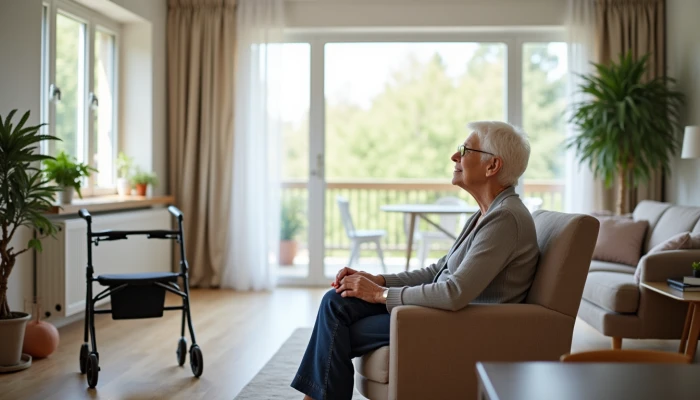
Helping an older parent stay at home safely often starts with small, visible changes. Better lighting, clearer walkways, and easier bathroom access can make daily routines less stressful. Just as important, a home should still feel familiar, comfortable, and personal.
This checklist is designed to support aging at home with a calm, structured review of the spaces people use every day. It focuses on physical safety, mobility, and emotional comfort so families can make practical improvements without feeling overwhelmed.
Use it as a starting point, not a one-time fix. Needs can change over time, so it helps to walk through the home regularly and update the plan as routines, mobility, or caregiving needs shift.
Room-by-Room Home Safety Evaluation
A room-by-room review helps families notice hazards that are easy to overlook in familiar spaces. Practical home safety guidance commonly recommends starting with the areas used most often and focusing on lighting, flooring, layout, and ease of movement.
Use this simple walkthrough during your first review:
- Entryways: Check for sturdy handrails, even steps, bright lighting, and a clear place to set down bags or keys.
- Hallways: Make sure pathways are wide enough for easy walking and free of cords, clutter, or small furniture.
- Living room: Look for loose rugs, unstable side tables, low seating that is hard to rise from, and crowded furniture layouts.
- Bedroom: Check whether the bed height feels manageable, pathways to the bathroom are clear, and a lamp or light switch is easy to reach.
- Bathroom: Review toilet height, tub or shower entry, non-slip surfaces, and whether grab bars for seniors or a stable seat would help.
- Kitchen: Make sure commonly used items are easy to reach, counters are stable, and walkways stay clear.
- Stairs: Look for se railings on at least one side, consistent lighting, and visible step edges.
This quick checklist can help you prioritize what to fix first:
| Area | What to check | Why it matters |
|---|---|---|
| Entry and halls | Lighting, handrails, clutter, thresholds | Reduces trips during daily movement |
| Living spaces | Rugs, cords, furniture spacing | Supports safer walking and transfers |
| Bedroom | Bed access, night lighting, clear path | Helps with nighttime safety |
| Bathroom | Non-slip surfaces, toilet access, shower support | Addresses one of the highest-risk areas |
| Kitchen | Reachable storage, stable footing, clear counters | Makes daily tasks easier and safer |
| Stairs | Railings, lighting, step visibility | Improves balance support |
For bathrooms, pay extra attention to bathroom safety for seniors. A slippery floor, a high tub wall, or the lack of a stable handhold can make routine bathing harder than families realize. In some homes, shower chairs for seniors may be worth discussing if standing for the full shower feels tiring or unsteady.
As you review each room, write down concerns in plain language such as "dim hallway," "rug slides," or "hard to step into tub." That makes it easier to decide what can be changed right away and what may need professional input.
Fall Prevention Strategies for Seniors
Fall prevention at home usually works best when families combine several small improvements instead of relying on one product or one change. Expert guidance often emphasizes reducing tripping hazards, improving support points, and making everyday movement less demanding.
Start with the basics:
- Remove or se loose rugs.
- Keep walkways free of cords, baskets, and small furniture.
- Improve lighting in hallways, stairways, bathrooms, and near the bed.
- Add easy-to-reach switches or lamps where possible.
- Use sturdy railings and handholds in places where balance is challenged.
Bathrooms and stairs usually deserve early attention. In bathrooms, properly installed grab bars near the toilet and bathing area can provide support during transfers. Non-slip mats or strips may help on wet surfaces. Some families also consider comfort-height toilets or lower-threshold shower setups when standard fixtures become harder to use.
On stairs, focus on visibility and stability:
- Confirm railings feel se.
- Keep steps clear at all times.
- Improve lighting at the top and bottom of the staircase.
- Avoid storing household items on steps, even temporarily.
It can also help to rank changes by urgency.
- Fix hazards that could cause an immediate trip or slip.
- Add support in places where standing, turning, or stepping is difficult.
- Improve convenience so safer habits are easier to maintain.
- Reassess after any change in mobility, strength, or routine.
A useful mindset is to make the safer choice the easier choice. For example, placing frequently used items within easy reach in the kitchen may reduce the need for climbing, stretching, or carrying items across cluttered floors.
These steps can lower risk, but they do not **** or replace medical evaluation when balance changes suddenly. If a parent has new dizziness, repeated near-falls, or trouble getting up from a chair, it may be time to involve a qualified clinician along with home safety planning.
Emotional Security Considerations
A safer home should still feel like home. Emotional security matters because older adults may resist changes that feel impersonal, stigmatizing, or overly restrictive. A practical plan respects independence while making support easier to accept.
Start by asking what helps the person feel calm, confident, and in control.
- Keep familiar furniture, photos, and meaningful items visible when possible.
- Avoid unnecessary changes that make the home feel unfamiliar.
- Involve the older adult in decisions about layout, equipment, and routines.
- Choose safety updates that blend into the home when practical.
Communication also affects emotional comfort. A visible emergency contact list near the phone or refrigerator can provide reassurance without creating a sense of crisis. If family members help from a distance, regular check-ins and a simple shared plan for emergencies can reduce stress for everyone.
Social connection is another part of home safety. Isolation can make daily life feel harder, even in a physically safer house. Look at whether the home still supports ordinary connection:
- Is there a comfortable place to sit with visitors?
- Is the entry easy enough for friends or helpers to use?
- Are devices for phone or video calls simple to reach and charge?
- Is there enough space for a caregiver or relative to assist without crowding?
Sometimes the most helpful change is not a device but a conversation. If a parent worries that safety changes mean losing independence, explain the goal clearly: to make daily life easier and support staying at home longer if that remains the right fit.
Caregivers should also pay attention to their own stress. Emotional strain can make planning harder and delay needed decisions. Support from family, respite options, or counseling may help caregivers stay steady enough to make thoughtful home safety choices.
When to Seek Professional Home Safety Assessments
A family checklist is a strong starting point, but some situations call for a professional review. Structured home safety assessments are designed to identify risks that may not be obvious during a casual walkthrough, especially when mobility, transfers, stairs, or bathing have become more difficult.
Consider professional help if:
- There have been recent falls or repeated near-falls.
- The older adult has trouble getting in or out of the tub, shower, or bed.
- Stairs are becoming difficult to manage.
- Family members disagree about what changes are needed.
- The home may need larger modifications, such as bathroom access changes or more advanced mobility support.
A professional assessment may look at:
- Fall and trip hazards by room
- Lighting and visibility issues
- Accessibility barriers at entrances, bathrooms, and stairs
- Equipment needs for transfers and daily tasks
- Emergency preparedness and caregiver workflow
This kind of review can help families prioritize changes instead of guessing. It may also clarify which updates are simple household fixes and which should be handled by qualified installers or specialists.
If you are considering structural changes, bathroom modifications, or equipment that affects transfers and mobility, professional input is especially useful. It can reduce trial and error and help match the home setup to the person's current abilities.
A checklist supports decision-making, but it does not replace medical advice, rehabilitation guidance, or skilled caregiving assessment when those are needed. Think of it as the first layer of planning, with professional evaluation added when the situation becomes more complex.
Conclusion
A home safety checklist works best when it becomes part of an ongoing routine rather than a one-time project. Walking through the home, fixing obvious hazards, and revisiting the setup after changes in health or mobility can make aging in place more manageable for both older adults and family caregivers.
The most effective plans usually combine physical safety steps with emotional support. Clear pathways, better bathroom access, and safer stairs matter, but so do familiar surroundings, respectful communication, and a sense of control. Start with the spaces used every day, make the next practical improvement, and build from there.