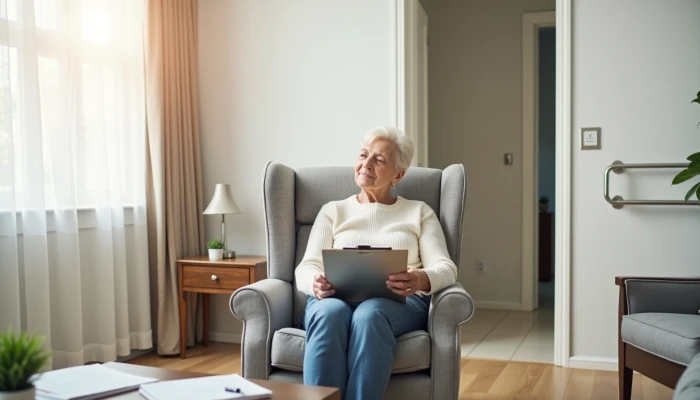
A Safer Home Starts with a Checklist You Can Update Each Season
A home that worked well last year may not work as well now. Small changes in balance, strength, vision, stamina, or weather can turn ordinary routines into harder ones.
That is why a personalized checklist can be so useful for aging at home. It gives families and older adults a simple way to notice risks, decide what matters most, and make practical updates over time.
This guide walks through a step-by-step process for building a home safety checklist that fits the person, the home, and the season. It focuses on realistic improvements, not perfect ones, and it does not assume one setup works for everyone.
Step 1: Building a Foundational Home Safety Checklist
Start by looking at the home in zones instead of trying to fix everything at once. A room-by-room review makes it easier to spot patterns and avoid missing important areas.
A practical checklist usually includes these spaces:
- Entryways and walkways
- Living room
- Bedroom
- Bathroom
- Kitchen
- Stairs
- Laundry area
- Outdoor paths, porch, driveway, or garage
As you review each area, focus on three questions:
- Is it easy to move through this space?
- Is there enough support for sitting, standing, turning, and reaching?
- Is there anything that could increase slip, trip, or strain risk?
Bathrooms and stairs usually deserve early attention because they combine movement, moisture, and transitions in height. Bedrooms also matter because many daily transfers start there, including getting in and out of bed.
If mobility is already limited, add mobility-specific checks to every room.
- Are floor paths wide enough for a walker or other aid?
- Are cords, baskets, rugs, or low furniture blocking the route?
- Are chairs stable and easy to rise from?
- Are frequently used items stored between knee and shoulder height?
- Is lighting strong enough for nighttime movement?
To keep the checklist useful, rate each item by priority instead of making one long list of problems.
| Priority | What it means | Example |
|---|---|---|
| Do now | Risk affects daily safety or access | Loose bath mat, missing stair handrail, blocked path to bathroom |
| Do soon | Helpful improvement but not urgent today | Better bedside lighting, reorganizing kitchen storage |
| Review later | Worth monitoring as needs change | Adding more seating support, reassessing outdoor access |
A simple checklist creation process can look like this:
- Walk through the home with the older adult if possible.
- Write down hazards by room.
- Mark which tasks are hardest, such as bathing, stairs, cooking, or getting out of bed.
- Assign each item a priority.
- Choose a small number of first changes so the plan stays manageable.
This approach keeps the checklist personal. It is not just about the house. It is about how the person moves through it each day.
Step 2: Incorporating Seasonal Safety Adjustments
A good checklist should change with the season. Weather affects lighting, temperature, moisture, and outdoor access, all of which can shape home safety for seniors.
Instead of rebuilding the list every few months, keep a core checklist and add a seasonal review section.
Here is a simple seasonal adjustment framework:
| Season | What to review | Why it matters |
|---|---|---|
| Winter | Ice removal plan, entry traction, heating checks, heavier bedding without trip risk | Cold and slippery conditions can make transfers and outdoor access harder |
| Spring | Rain-related slip areas, drainage, outdoor path condition, allergy-related ventilation needs | Wet surfaces and uneven outdoor areas may become more noticeable |
| Summer | Cooling, hydration reminders, fan or AC safety, shade for outdoor steps and seating | Heat and humidity can increase fatigue and discomfort |
| Fall | Leaf buildup, earlier darkness, lighting timers, heating prep | Shorter daylight and slick surfaces can affect visibility and footing |
Winter often needs the most planning. If the older adult goes outside for appointments or even to get the mail, the checklist should cover who handles snow or ice removal, whether railings are sturdy, and whether footwear and entry mats help reduce tracked-in moisture.
Summer brings a different set of concerns. Review whether the home stays cool enough, whether fans or air conditioning are working properly, and whether outdoor seating or walking areas are still safe to use. Humidity can also make some floors feel slicker and can affect comfort in bathrooms.
Lighting deserves an annual review because daylight changes across the year. Common guidance for senior home safety often recommends adjusting timers and adding motion-sensor lighting where needed, especially near entries, hallways, bathrooms, and stairs.
Add a short seasonal review checklist to the end of your main list.
- Check heating and cooling systems before peak weather arrives.
- Review indoor and outdoor lighting as daylight changes.
- Look for new slip risks near doors, porches, and walkways.
- Update emergency supplies such as batteries and flashlights.
- Reassess clothing, footwear, and storage so seasonal items are easy to reach.
This keeps the home safety plan active instead of static. It also helps families notice changes before they become bigger daily obstacles.
Step 3: Mobility-Focused Home Improvements
Once the checklist is built, the next step is choosing improvements that support safer movement. The goal is not to remove all risk. It is to make common movements easier and more stable.
Start with the tasks the person does every day:
- Getting in and out of bed
- Walking to the bathroom
- Bathing or showering
- Preparing simple meals
- Using stairs
- Entering and leaving the home
Bathrooms are often a high priority. For bathroom safety for seniors, look at both support and setup. Grab bars for seniors can help with transfers near the toilet and in the shower, but placement matters, so installation should be se and appropriate for the wall type. Shower chairs for seniors may also help when standing for bathing feels tiring or unsteady.
Other practical bathroom checks include:
- Non-slip surfaces in and around the tub or shower
- A handheld showerhead if reaching is difficult
- Easy-to-reach towels and toiletries
- Good lighting for nighttime use
In kitchens, focus on reducing reaching, carrying, and rushing. Store daily items where they can be accessed without a step stool. Keep floors dry and clear. If standing for long periods is difficult, consider whether a seated prep area would help.
For stairs, review both the environment and the person using them. Strong handrails on both sides may help in some homes. Good lighting and clear step edges matter too. If stairs are becoming a regular barrier, it may be time to discuss options with a qualified professional rather than trying unsafe DIY changes.
Use this mobility-focused mini checklist during your review.
- Pathways are clear enough for the person's current walking pattern or device.
- Rugs are sed or removed where they catch feet or mobility aids.
- Chairs and beds are at workable heights for transfers.
- Frequently used items are easy to reach without bending low or stretching high.
- Bathroom supports match the person's actual bathing and toileting routine.
- Stair use is reviewed honestly, not based on what used to be easy.
One helpful rule is to match the change to the movement problem. If turning is hard, create more space. If standing is hard, add stable support. If reaching is hard, move the item instead of expecting the person to adapt.
That makes the checklist more practical and less overwhelming.
Step 4: Professional Assessments and Ongoing Reviews
A family checklist is a strong start, but it does not replace professional input when the situation is getting more complex. If falls, near-falls, fatigue, confusion, or major mobility changes are becoming more common, a formal home safety assessment may help uncover issues that are easy to miss.
Qualified professionals may notice things like transfer difficulty, poor equipment fit, unsafe furniture height, or layout problems that affect everyday movement. They can also help families prioritize which changes matter most first.
Consider asking for professional input when:
- The older adult has had a recent fall or close call.
- Stairs, bathing, or bed transfers are becoming harder.
- A new mobility aid is being introduced into the home.
- A caregiver is providing more hands-on help than before.
- The current setup feels workable one week and unsafe the next.
Ongoing reviews matter because needs change gradually. A checklist that worked six months ago may already need updates.
A simple review schedule can help:
| Timing | What to review |
|---|---|
| Monthly | Quick scan for clutter, lighting problems, and new trouble spots |
| Quarterly | Seasonal updates, emergency supplies, and task difficulty changes |
| Annually | Broader home safety review and professional assessment if needed |
| After a major change | Recheck layout after illness, hospitalization, new equipment, or caregiver changes |
Caregiver feedback is especially useful. A family member may notice that the person is using walls for support, avoiding a certain bathroom, or leaving items on stairs because carrying them feels hard. Those details can guide better checklist updates.
Keep the checklist in a place that is easy to revisit, such as a printed binder, shared note, or simple spreadsheet. Add the date of each review and what changed. Over time, that record can make planning easier and help the household respond earlier instead of waiting for a crisis.
A checklist works best when it stays flexible. The goal is not to finish it once. The goal is to keep the home aligned with the person's real daily needs.
Conclusion
A personalized home safety checklist can make aging at home feel more manageable because it turns a big concern into smaller decisions. By reviewing the home room by room, adding seasonal updates, and focusing on real mobility needs, families can make practical changes that support comfort and independence.
The most useful checklist is one that gets updated. Revisit it regularly, adjust it when routines change, and bring in qualified professional help when the situation becomes more complex. That kind of steady review will usually do more than a one-time sweep of the house.