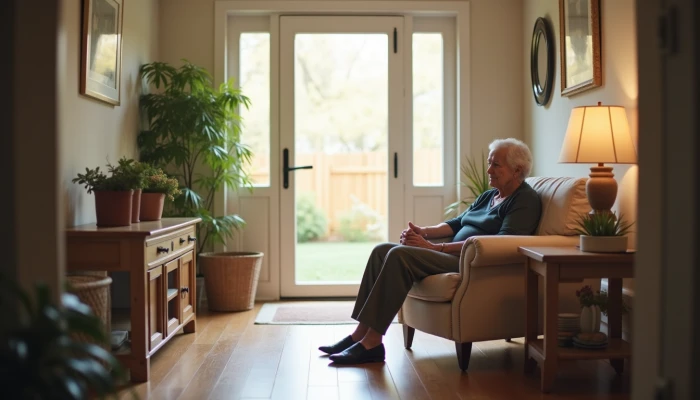
How to Plan Safer Home Changes for Aging in Place
Aging in place often starts with a simple question: what should we change first? Many families know a home may need updates, but it can be hard to tell which changes matter most, what can wait, and when professional help is worth the cost.
The most useful approach is usually not a full remodel. It is a step-by-step plan based on the older adult's daily routines, mobility, vision, balance, and comfort using the home as it exists today.
This guide walks through how to assess needs, prioritize room-by-room improvements, compare cost-effective options, and decide when to bring in a qualified professional. The goal is to help you make thoughtful home modifications for seniors that support safer, more independent living over time.
Step 1: Assessing Needs and Priorities
Before making changes, look at how the person actually moves through the home each day. A modification that helps one household may not be the first priority in another. Guidance on aging in place commonly emphasizes matching the home to the person's current abilities and likely near-term needs.
Start with a simple walk-through. Pay attention to places where someone hesitates, reaches awkwardly, needs support from furniture, or avoids part of the home altogether.
A basic home safety checklist should cover:
- Loose rugs or cords in walking paths
- Dim hallways, stairs, and entry areas
- High tub walls or slippery bathroom floors
- Missing handrails or unstable steps
- Hard-to-reach storage in kitchens and bedrooms
- Narrow pathways blocked by furniture or clutter
- Door hardware or faucets that are hard to grip
It also helps to think beyond mobility alone. Vision changes may make contrast, glare, and lighting more important. Arthritis may make knobs and heavy doors harder to use. Cognitive changes may call for simpler layouts, clearer organization, and fewer trip hazards.
If you are unsure what matters most, use a simple priority framework:
| Priority level | What to include |
|---|---|
| High | Hazards linked to daily bathing, toileting, walking, and stairs |
| Changes that improve ease of use, such as better storage access or lever handles | |
| Lower | Comfort or convenience upgrades that do not address immediate safety barriers |
Professional input can be helpful early, especially if there have been recent falls, worsening mobility, or confusion about what changes are realistic. Occupational therapists and trained home safety evaluators can help connect functional needs to practical home changes.
Step 2: Room-by-Room Safety Improvements
Once priorities are clear, it becomes easier to focus on the rooms that affect daily independence most. In many homes, the bathroom, kitchen, stairs, and entryways deserve attention first.
Bathroom
Bathroom safety for seniors is often a first step because transfers, wet floors, and tight spaces can create multiple risks at once. Common improvements include grab bars for seniors near the toilet and bathing area, better floor traction, and seating options such as shower chairs for seniors.
Useful bathroom changes include:
- Grab bars placed where support is actually needed
- Non-slip flooring or improved traction surfaces
- Raised toilet seats when standing up is difficult
- Handheld showerheads paired with seated bathing options
- Brighter lighting around the sink, toilet, and shower
Kitchen
The kitchen should support safe meal preparation without too much bending, reaching, or carrying. Small layout and hardware changes can make daily tasks easier.
Consider:
- Lever-style handles instead of hard-to-turn knobs
- Frequently used items moved to waist-to-shoulder height
- Task lighting over counters and sinks
- Clear walking space between work areas
- Stable seating if standing for long periods is tiring
Stairs and hallways
Stair safety for seniors often depends on visibility, support, and consistency. Even if a stair lift is being considered later, basic improvements still matter.
Focus on:
- Se handrails on at least one side, and ideally both where appropriate
- Strong lighting at the top and bottom of stairs
- Clearly visible stair edges if contrast is poor
- Clutter-free landings and hallways
Bedroom and entry areas
The bedroom should allow safe transfers in and out of bed and easy access to lighting, mobility aids, and the bathroom. Entry areas should reduce the difficulty of getting in and out of the home.
Helpful changes may include:
- A clear path from bed to bathroom
- Bedside lighting that is easy to reach
- Stable seating for dressing
- Threshold ramps where small level changes create a barrier
- Weather-safe, well-lit entrances
Research and implementation guidance often point to bathroom traction, grab bars, and lighting upgrades as practical high-impact improvements, especially when paired rather than used one at a time.
Step 3: Cost-Effective Modification Options
Not every useful change requires a major renovation. Many households can improve safety and usability by starting with lower-cost updates, then planning larger projects only if they become necessary.
Common cost-effective modification options include:
- Improved lighting in hallways, bathrooms, kitchens, and stairs
- Threshold ramps for small entry barriers
- Lever handles on doors and faucets
- Shower chairs and handheld showerheads
- Non-slip surfaces or traction improvements
- Reorganizing storage so essential items are easier to reach
A practical way to decide where to spend first is to compare cost, urgency, and frequency of use.
| Modification type | Typical value | Budget impact |
|---|---|---|
| Lighting and decluttering | Helps daily navigation and visibility | Low |
| Bathroom supports and seating | Helps with bathing and toileting tasks | Low to moderate |
| Small access changes like threshold ramps | Improves movement through key areas | Low to moderate |
| Larger structural changes | May address major barriers over time | Moderate to high |
For some families, one-time home updates may compare favorably with ongoing housing or care costs, but the right decision depends on the person's needs, the condition of the home, and how long the changes are likely to be useful. It is better to think in terms of fit and function than broad savings promises.
If budget is a concern, look into possible assistance through local nonprofits, aging services organizations, veterans-related programs where applicable, or insurance and tax rules for medically necessary improvements. Eligibility varies, so it is important to verify details with qualified local sources rather than assume coverage.
Step 4: When to Seek Professional Help
Some changes are simple to plan, but others should involve qualified professionals from the start. This is especially true when the project affects structure, plumbing, electrical work, stairs, or major bathroom access.
Professional consultation is often a good idea when:
- The person has had recent falls or near-falls at home
- Multiple health changes affect mobility, vision, or judgment
- A bathroom or entryway needs major reworking
- Stairs are becoming difficult to manage
- You are unsure whether a change will actually solve the problem
The right professional depends on the issue.
| Need | Who may help |
|---|---|
| Matching home changes to daily function | Occupational therapist or trained home safety evaluator |
| Structural or built-in modifications | Licensed contractor |
| Accessibility planning across several rooms | Home modification specialist |
| Electrical or plumbing changes | Licensed trade professional |
A professional evaluation can help uncover less obvious problems, such as poor turning space for a walker, unsafe transfer angles in the bathroom, or lighting that creates glare instead of clarity.
It is also important to stay within safe limits. Avoid electrical or structural modifications that require licensed expertise. Projects involving stair lifts, major bathroom conversions, widened doorways, or load-bearing changes should be planned and installed by qualified professionals rather than treated as do-it-yourself work.
Step 5: Planning for Long-Term Independence
Good planning does not only solve today's problem. It also leaves room for changing needs. A home that works well now may need different supports later, so flexibility matters.
When possible, choose changes that can adapt over time.
Examples include:
- Storage layouts that reduce reaching and can be adjusted later
- Bathroom setups that allow seated bathing if needed
- Hardware that is easier to use with reduced grip strength
- Furniture placement that leaves room for a walker or other mobility aid
- First-floor living arrangements if stairs may become harder later
Smart home devices can also support daily living when used thoughtfully. Voice-controlled lighting, video doorbells, reminder systems, and simple monitoring tools may improve convenience and awareness, but they work best as part of a broader safety plan rather than as a substitute for hands-on support.
A useful long-term routine is to reassess the home after any major health change, hospitalization, new mobility aid, or noticeable shift in balance or endurance.
A simple review sequence looks like this:
- Recheck the rooms used every day.
- Ask which tasks now feel harder or less safe.
- Update the highest-priority hazards first.
- Revisit whether professional input is needed.
- Plan future changes before they become urgent.
The goal is not to predict everything. It is to create a home that can adjust gradually, with fewer rushed decisions and better support for independent living for seniors.
Conclusion
Home changes for aging in place do not need to begin with a major renovation. In many homes, the most helpful first steps are modest: better lighting, fewer tripping hazards, safer bathroom support, and clearer pathways through daily living spaces.
What matters most is choosing improvements that match the person's real routines and limitations. Start with a room-by-room assessment, fix the highest-priority barriers first, and bring in qualified professionals when the work becomes more complex.
Thoughtful planning can improve safety, comfort, and independence over time without assuming that one solution fits every household.