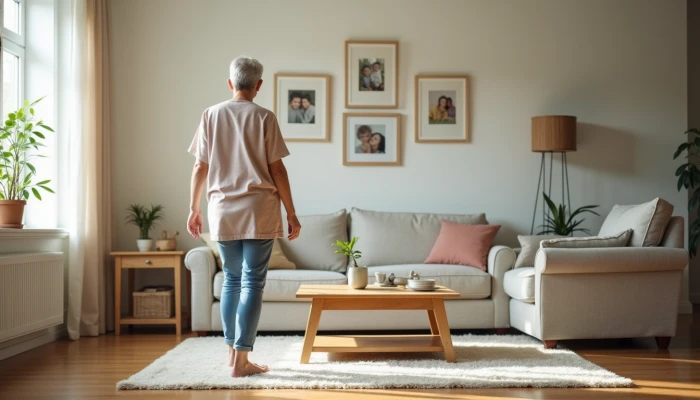
A Step-by-Step Home Walkthrough to Spot Senior Safety Risks
A home does not need to be perfect to be safer. What helps most is a clear process for noticing risks, deciding what matters first, and making practical changes over time.
For families supporting an older parent or relative, a structured walkthrough can make home safety for seniors feel more manageable. Instead of guessing, you can check each room for common hazards, note where daily routines are getting harder, and create a short action list.
This kind of assessment is especially useful after a fall, after a hospital stay, or when you notice changes in balance, vision, strength, or memory. It can also be a planning tool for older adults who want to stay independent at home.
The goal is not to eliminate every risk or assume one solution fits everyone. It is to build a safer environment that supports comfort, confidence, and everyday function.
Preparing for the Assessment
Before you start, gather a few basic tools and set aside enough time to walk through the home without rushing. A careful assessment is easier when you can measure, test lighting, and write down what you notice.
A simple prep kit can include:
- A notepad or printed checklist
- A flashlight for dim corners and stair edges
- A tape measure for doorways, step depth, and clear walking paths
- A phone or camera to document problem areas
- Sticky notes to mark hazards for follow-up
It also helps to review general fall prevention guidance from public health sources before the walkthrough. Common guidance emphasizes looking for tripping hazards, poor lighting, missing handholds, and obstacles in routine walking paths.
If possible, involve the older adult in the assessment. Ask where they feel unsteady, where they avoid going, and what tasks feel harder than they used to. Their input matters because a space that looks fine to a visitor may still be difficult to use safely every day.
Focus your review on real routines such as:
- Getting in and out of bed
- Using the bathroom at night
- Carrying food from kitchen to table
- Entering and leaving the home
- Using stairs while holding items
As you walk through, look for two things at once: hazards and effort. A hazard is something that could cause a fall or injury. Effort is a task that takes too much reaching, bending, twisting, or balance. Both can affect aging in place.
A practical way to organize your notes is to rate each issue as:
- Urgent: likely to cause a near-term fall or injury
- Important: not immediate, but worth addressing soon
- Helpful: improves ease and comfort, but can wait
That simple ranking will make the next steps easier.
Room-by-Room Evaluation Framework
A room-by-room review keeps the assessment focused. Start at the main entrance and move through the home in the order the person uses it during a normal day.
Use this quick framework during each stop:
- Check the walking path.
- Check lighting and visibility.
- Check surfaces for slips or uneven transitions.
- Check whether frequently used items are easy to reach.
- Check whether support is available where balance is challenged.
Here are the main focus areas by space.
Kitchen
The kitchen often combines reaching, carrying, turning, and standing on hard floors. Look for spills, cluttered pathways, and items stored too high or too low.
Check for:
- Clear floor space between counters, table, and appliances
- Good lighting over work areas
- Frequently used dishes, food, and tools stored between waist and shoulder height
- Stable flooring without curled edges or slick spots
- Easy-to-grip cabinet and drawer hardware
Bathroom
Bathroom safety for seniors deserves special attention because wet surfaces, transfers, and tight spaces increase fall risk. This is often the first room families review when using a home safety checklist for elderly parents.
Check for:
- Non-slip surfaces in and around the tub or shower
- Se handholds where stepping in, stepping out, sitting, and standing happen
- Enough space to move safely around the toilet and sink
- Good lighting for nighttime use
- Water controls that are easy to reach and use
If grab bars are being considered, placement and proper anchoring matter. This is not a cosmetic change. If there is any doubt about installation, use a qualified professional.
Stairs
Stairs deserve a separate review because small inconsistencies can create major problems. Walk them slowly in both directions.
Check for:
- Handrails that are present, sturdy, and easy to grip
- Even step height and depth
- Good lighting at the top, bottom, and along the full run
- Clear edges that are easy to see
- No objects stored on steps or landings
Bedroom
The bedroom should support safe transfers and nighttime movement.
Check for:
- A clear path from bed to bathroom
- A reachable lamp or light switch from the bed
- Stable flooring with no loose rugs
- Enough space to stand, turn, and use mobility support if needed
- Clothing and daily items stored without deep bending or climbing
Living areas and hallways
These spaces often collect cords, décor, small furniture, and other obstacles.
Check for:
- Wide, uncluttered walking paths
- Stable seating with arms if standing up is difficult
- Consistent lighting from room to room
- Cords moved away from foot traffic
- Thresholds that are visible and not abrupt
Entryways and exterior access
A safe home also includes the path in and out.
Check for:
- Se steps and railings
- Good lighting at doors
- Weather-related slip risks
- Easy-to-use locks and handles
- A place to set down bags while entering
If you want a simple scoring tool, use this table during the walkthrough.
| Area | Walking path clear? | Lighting adequate? | Slip/trip risk present? | Support needed? | Priority |
|---|---|---|---|---|---|
| Kitchen | Yes/No | Yes/No | Yes/No | Yes/No | Urgent/Important/Helpful |
| Bathroom | Yes/No | Yes/No | Yes/No | Yes/No | Urgent/Important/Helpful |
| Stairs | Yes/No | Yes/No | Yes/No | Yes/No | Urgent/Important/Helpful |
| Bedroom | Yes/No | Yes/No | Yes/No | Yes/No | Urgent/Important/Helpful |
| Hallways | Yes/No | Yes/No | Yes/No | Yes/No | Urgent/Important/Helpful |
| Entryways | Yes/No | Yes/No | Yes/No | Yes/No | Urgent/Important/Helpful |
Identifying Common Tripping Hazards
Many fall risks are easy to miss because they are part of everyday life. A careful walkthrough should slow down enough to notice the small things that interrupt a safe stride.
Common tripping hazards include:
- Loose rugs or mats
- Electrical cords across walking paths
- Floor clutter such as baskets, shoes, or pet items
- Uneven flooring or raised thresholds
- Low furniture edges in narrow paths
- Poor lighting in corners, hallways, and stairways
- Items placed on stairs
One of the most useful habits is to trace the person’s usual routes. Follow the path from bed to bathroom, chair to kitchen, and front door to main living area. Those repeated routes matter more than rarely used corners of the home.
Lighting deserves close attention. A room may seem bright during the day but become difficult to navigate at dusk or overnight. Check whether switches are easy to reach and whether stair edges, thresholds, and bathroom entries are visible.
Where there are level changes, visual contrast can help. Marking step edges or thresholds can make transitions easier to see, especially for someone with reduced vision. The goal is not decoration. It is better visibility.
Use this quick senior fall prevention checklist during the walkthrough:
- Remove or se loose rugs
- Clear cords from all walking paths
- Keep floors free of small clutter
- Improve lighting in hallways, bathrooms, and stairs
- Make step edges and thresholds easier to see
- Keep frequently used items within easy reach
- Check that handrails and supports feel stable
If you find many hazards, do not try to fix everything at once. Start with the areas where a fall is most likely to happen: bathroom, stairs, bedroom-to-bathroom route, and main entry.
Using Home Safety Checklists
A checklist helps turn a general concern into a repeatable process. It also makes it easier for multiple family members or caregivers to compare notes and track what has changed.
Some caregiver resources use a detailed multi-step framework, including around 43 items, to review the home systematically. You do not need to copy a checklist exactly for it to be useful. What matters is covering the full home and documenting what you find.
A practical checklist should include:
- Entrances and exits
- Flooring and trip hazards
- Lighting and switch access
- Bathroom transfer and slip risks
- Stair safety
- Bedroom nighttime access
- Kitchen reach and carry tasks
- Emergency access and communication basics
After the walkthrough, sort findings into an action plan. This keeps the assessment from becoming a long list with no follow-through.
A simple sequence looks like this:
- Fix immediate hazards first.
- Address high-use areas next.
- Plan larger changes that may need professional help.
- Reassess after routines or health needs change.
You can also use a checklist to separate quick fixes from projects.
| Type of issue | Examples | Next step |
|---|---|---|
| Immediate hazard | Loose rug, cluttered stair, burned-out light | Correct as soon as possible |
| Routine difficulty | Hard-to-reach storage, poor nighttime path | Reorganize or adjust setup |
| Skilled modification | New grab bar placement, major stair changes | Consult a qualified professional |
National aging resources also recommend reviewing the home as needs change over time. That matters because a home that worked well a year ago may no longer match the person’s mobility, balance, or daily routine.
If several people help with care, keep the checklist in one shared place. That could be a printed folder in the home or a shared digital note. Consistency makes future reassessments much easier.
When to Seek Professional Help
Some safety issues can be identified by family members but should not be solved without expert input. The right time to ask for help is when a change affects structure, safe installation, mobility needs, or daily function in a more complex way.
Consider professional help when:
- Falls or near-falls are becoming more frequent
- The person has trouble transferring in the bathroom
- Stairs are becoming difficult or unsafe to use
- A modification needs se anchoring or structural work
- Vision, cognition, or mobility changes make the right solution unclear
An occupational therapist can help assess how the person moves through the home and where daily tasks are breaking down. That can be especially useful when the issue is not just a hazard, but a mismatch between the environment and the person’s abilities.
For more complex home changes, a certified aging-in-place professional or other qualified contractor may be appropriate. This is important for modifications such as handrail work, bathroom support installation, doorway changes, or other projects that need proper measurement and installation.
You can also look for caregiver support materials from national aging resources. These often include home safety worksheets, caregiving checklists, and guidance on finding local support services.
Seeking help does not mean the person can no longer live independently. In many cases, it is simply the safest way to make the home fit current needs.
Conclusion
A home safety assessment works best when it is practical, specific, and ongoing. By walking through the home room by room, identifying common tripping hazards, and using a checklist to organize what you find, you can make the process more manageable.
Start with the highest-risk areas, especially bathrooms, stairs, and everyday walking routes. Then build from immediate fixes to longer-term improvements. Revisit the assessment regularly, because needs can change over time.
No single change can remove every risk. But thoughtful updates, combined with professional guidance when needed, can support safer aging at home and make daily life easier for both older adults and caregivers.