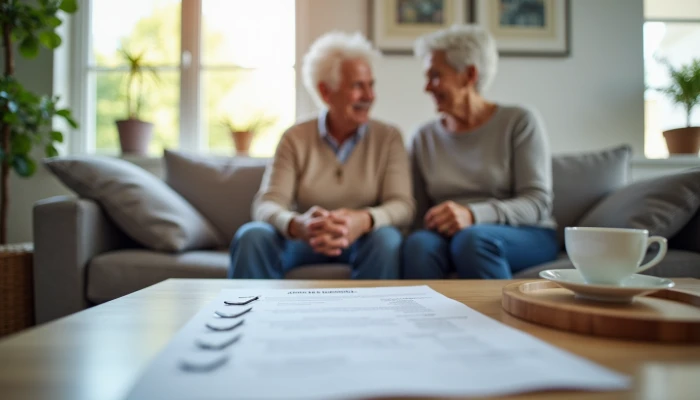
How to Assess an Aging Parent’s Home Without Turning It into an Argument
Talking about home safety can feel delicate. Many family caregivers see real hazards but worry that bringing them up will sound critical, controlling, or alarmist.
A better approach is to treat a home safety assessment as a shared planning conversation. Instead of focusing on what an older adult is doing wrong, focus on what would make daily life easier, safer, and more comfortable while preserving independence.
This guide walks through a step-by-step approach to caregiver planning for home safety. It covers how to start the conversation, what to look for in the home, when to ask for professional help, and how to turn your notes into a practical plan that respects the older adult's preferences.
Why Home Safety Assessments Matter for Aging Parents
A home safety assessment is a structured way to notice everyday hazards before they become bigger problems. The goal is not to make a home perfect. It is to reduce avoidable risks and support independent living for seniors as needs change.
Source-backed guidance on senior home safety consistently points to common concerns such as falls, cluttered walkways, poor lighting, bathroom access, and kitchen hazards. Falls are widely recognized as a major source of injury for older adults, which is one reason many caregivers start with a room-by-room review.
A thoughtful assessment can also reduce tension. When families look at the home together, the conversation shifts from opinions to observations. That often makes it easier to discuss changes without making the older adult feel judged.
A useful assessment usually does three things:
- Identifies hazards that affect daily routines
- Highlights changes that may improve comfort and confidence
- Creates a shared record of concerns, preferences, and next steps
It also helps to remember that safety and autonomy are not opposites. Involving seniors in the process often improves cooperation because they can explain what works well, what feels difficult, and which changes they are open to considering.
If you are unsure where to begin, start with a simple home safety checklist for elderly parents and treat it as a conversation tool rather than a pass-or-fail test.
Non-Confrontational Communication Strategies
How you start the conversation often matters as much as what you say. Older adults may hear safety concerns as a threat to privacy, control, or identity. A calmer approach is to frame the assessment as teamwork.
Try to lead with shared goals. For example, you might say that you want the home to feel easier to move through, simpler to manage, or more comfortable for the future. That keeps the focus on support rather than correction.
These communication habits can help:
- Ask permission before walking through the home together
- Use collaborative language such as "Can we look at this together?"
- Focus on tasks, not personal shortcomings
- Listen first if the older adult explains why they prefer things a certain way
- Offer choices instead of demands
It can also help to avoid loaded phrases like "This house is unsafe" or "You can't manage this anymore." Those statements can trigger defensiveness quickly.
A more useful pattern is this:
- Start with a shared goal
- Point to a specific situation
- Ask for their view
- Discuss one small change at a time
Here are a few examples of less confrontational wording:
| Instead of this | Try this |
|---|---|
| "You need to fix this bathroom." | "Would it help to look at a few ways to make the bathroom easier to use?" |
| "Your hallway is dangerous." | "I noticed the hallway gets dim at night. What would make it easier to walk through?" |
| "You shouldn't keep things there." | "Would you be open to moving this so the path stays clear?" |
Good caregiver planning also means accepting that not every issue will be resolved in one conversation. If resistance shows up, it may be better to pause, return later, and keep the discussion centered on comfort, routine, and independence.
Key Areas to Evaluate in the Home
A room-by-room review makes the process more manageable. You do not need to inspect everything at once. Start with the areas used most often and the places where slips, trips, or strain are more likely.
Use this aging parent checklist as a practical starting point.
Entryways and hallways
- Check whether walkways are clear of cords, clutter, and loose items
- Notice whether lighting is bright enough, especially near steps and doorways
- Look for uneven thresholds, rugs that shift, or hard-to-open doors
Bathroom safety for seniors
- Check whether getting in and out of the tub or shower looks difficult
- Look for slippery surfaces and poor drainage
- Note whether grab bars for seniors may be worth discussing with a qualified professional
- See whether a stable seat or other support could make bathing easier
Kitchen safety for seniors
- Make sure commonly used items are easy to reach without climbing or overreaching
- Check for clutter near cooking areas
- Notice whether stove use, pot handling, or carrying items across the room seems difficult
- Keep walking paths open and easy to navigate
Bedroom and living areas
- Check whether there is a clear path from the bed to the bathroom
- Look at lamp placement and nighttime lighting
- Notice whether chairs and beds are easy to get in and out of
- Watch for piles, baskets, or furniture that narrow walking space
Stairs and mobility paths
- Check whether railings feel se
- Make sure steps are well lit and easy to see
- Look for objects stored on stairs or landings
- Notice whether the person hesitates, pulls heavily, or avoids certain routes
A simple scoring framework can help you prioritize what you find.
| Area | What to look for | Priority if concern is present |
|---|---|---|
| Bathroom | Slippery surfaces, difficult transfers, lack of support | High |
| Stairs | Poor lighting, missing rail support, clutter | High |
| Hallways | Trip hazards, dim lighting, narrow paths | to high |
| Kitchen | Reaching strain, stove concerns, blocked walkways | |
| Bedroom | Night access, unstable furniture, poor lighting |
This kind of checklist does not replace a formal home safety assessment for seniors, but it gives families a clearer picture of what deserves attention first.
When to Involve Professionals
Some concerns are straightforward to notice but harder to solve well. That is where professionals can help.
Licensed occupational therapists are often involved in home safety assessments because they look at how a person moves through daily tasks in their actual living space. Their recommendations may include adaptive strategies, environmental changes, or referrals for additional support.
Home modification consultants may also help evaluate structural issues such as bathroom layout, entrances, or circulation through key rooms. In many cases, they review the home together with the older adult and caregiver, which supports the collaborative approach many families need.
Consider involving a professional when:
- You are seeing repeated near-misses or increasing difficulty with daily tasks
- The older adult has complex mobility or balance concerns
- You are unsure which changes are most appropriate
- Structural modifications may be needed
- Family discussions keep stalling because everyone sees the situation differently
Professional input can be especially useful because it adds an objective voice. Instead of the caregiver being the only person raising concerns, the family can rely on a trained assessment process tied to function, access, and daily routines.
If there is an urgent safety concern involving medical symptoms, sudden changes in function, or immediate danger in the home, seek appropriate medical or emergency help rather than relying on a checklist alone.
Creating a Personalized Safety Plan
After the walk-through, the next step is to turn observations into a realistic plan. This is where many families get stuck. A long list of possible changes can feel overwhelming, especially if the older adult is unsure about making them.
Keep the plan simple and specific. Focus first on the issues that affect day-to-day safety and ease of use, then build from there.
A practical sequence looks like this:
- Write down the top concerns you observed
- Ask the older adult which issues bother them most
- Mark each item as high, , or lower priority
- Decide which changes are easy to address now and which need more discussion
- Set a date to review progress together
You can organize the plan with a short checklist.
| Item | Why it matters | Priority | Who will follow up | Review date |
|---|---|---|---|---|
| Clear hallway path | Easier walking route | High | Family | Next week |
| Improve bathroom support | Safer transfers and bathing | High | Family plus professional consult | This month |
| Adjust bedroom lighting | Easier nighttime navigation | Family | Next week |
It is also helpful to keep a caregiver emergency checklist nearby. That can include key contacts, medication storage information, mobility notes, and basic home access details for emergencies. While that is different from a safety assessment, it supports the same goal of better preparation.
Most important, revisit the plan over time. Needs can change gradually. A home setup that worked well six months ago may need small adjustments now. Regular check-ins help families respond earlier and with less stress.
A personalized plan works best when it reflects both safety priorities and the older adult's own preferences. That balance is often what makes changes more acceptable and more likely to last.
Conclusion
A respectful home safety assessment is less about inspecting an aging parent and more about working with them. When caregivers lead with collaboration, listen carefully, and focus on practical daily challenges, the conversation usually becomes more productive.
Checklists, room-by-room reviews, and outside professionals can all make the process clearer. The key is to use those tools in a way that supports autonomy rather than taking it away.
If you approach the discussion as an ongoing partnership, you do not need to solve everything at once. Small, well-chosen changes and regular follow-up can make aging at home feel safer, more manageable, and more comfortable over time.