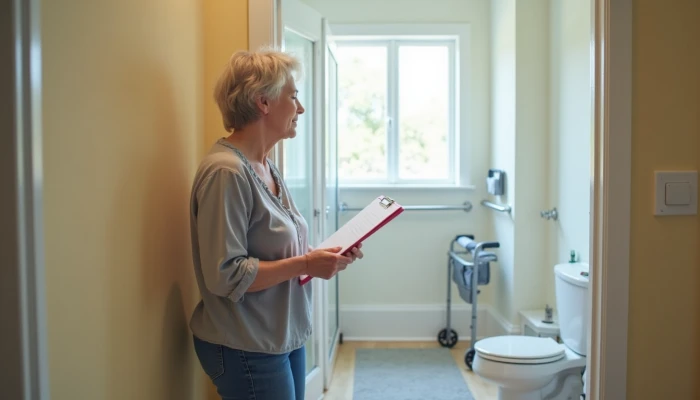
How to Do a Senior Home Safety Assessment Without Missing the Basics
A home can feel familiar and still become harder to navigate over time. For families supporting an older adult, that creates a common problem: it is not always obvious how to check a home for safety risks in a systematic way.
A senior home safety assessment does not need to start with major renovations. In many cases, the first step is simply noticing where daily routines are becoming harder, less stable, or less predictable. That might mean clutter in a hallway, poor lighting near stairs, or a bathroom setup that no longer matches the person’s balance, strength, or memory needs.
For caregivers focused on aging at home, a structured review can help turn vague worries into a practical plan. The goal is not to promise perfect safety or total fall prevention. It is to identify manageable risks, prioritize the most important changes, and know when a professional should step in.
This guide follows a simple four-step process you can use on your own, while also drawing on room-by-room checklist guidance and recommendations commonly used in aging in place planning.
Step 1: Start with a Room-by-Room Safety Evaluation
The easiest way to assess a home is to move through it one area at a time. That keeps the process practical and makes it less likely that you will overlook smaller hazards that affect everyday routines.
A room-by-room review is especially useful because risk is not distributed evenly. Bathrooms, kitchens, entryways, and stair areas often deserve extra attention, but bedrooms, living rooms, and outdoor walkways matter too.
As you walk through the home, look for three broad categories of concern.
- Trip and slip hazards: loose rugs, cords across walkways, clutter, uneven flooring, slick surfaces
- Visibility problems: dim bulbs, shadows, glare, missing night lights, hard-to-read controls
- Accessibility barriers: narrow pathways, hard-to-reach storage, unstable seating, steps without support
It helps to observe the older adult using the space if they are comfortable with that. Watching how they get in and out of bed, use the bathroom, carry laundry, or prepare food often reveals more than a visual scan alone.
Use a simple checklist as you go. For example:
| Area | What to check | What to note |
|---|---|---|
| Entry | Steps, railings, lighting, door threshold | Is it easy to enter and exit safely? |
| Hallways | Clutter, cords, lighting, flooring | Are pathways clear and well lit? |
| Bathroom | Tub or shower access, grab points, floor traction | Is bathroom safety for seniors adequately addressed? |
| Kitchen | Frequently used items, floor condition, stove area | Can daily tasks be done without overreaching? |
| Bedroom | Bed height, night lighting, path to bathroom | Is nighttime movement manageable? |
| Stairs | Handrails, tread visibility, lighting | Are stairs stable and easy to see? |
If you want a practical starting point, a home safety checklist for elderly parents can keep the assessment focused and less emotional. The checklist is not a diagnosis tool. It is a way to organize what you see and decide what needs attention first.
During this step, avoid trying to solve everything immediately. First, document the issues. Then move on to prioritizing them.
Step 2: Address Key Risk Areas with Practical Solutions
Once you have identified the main hazards, focus on changes that improve safety in the spaces used most often. Small adjustments can make a meaningful difference in comfort and day-to-day function, especially when they match the person’s actual routines.
Bathrooms are often a priority because they combine water, hard surfaces, and frequent transfers. Common guidance for bathroom safety for seniors includes adding se grab bars near the toilet and bathing area, improving traction with non-slip surfaces, and making bathing easier with seating when needed. Water temperature should also be checked to reduce scald risk.
Lighting is another high-value fix. Shadows, glare, and dim bulbs can make steps, thresholds, and objects harder to judge. Hallways, stairs, bathrooms, and the path from bed to bathroom deserve special attention.
In high-traffic areas, simplify the walking path.
- Remove loose rugs or se them properly
- Move cords away from walkways
- Rearrange furniture to create wider paths
- Keep commonly used items within easy reach
- Reduce unnecessary floor clutter near chairs and beds
A simple prioritization framework can help you decide what to do first.
| Priority level | Typical issue | Example response |
|---|---|---|
| High | Immediate fall or burn risk | Fix loose flooring, improve stair lighting, check hot water temperature |
| Daily frustration that may increase risk over time | Reorganize storage, add night lights, improve seating stability | |
| Lower | Helpful but not urgent convenience changes | Label drawers, adjust décor, refine room layout |
If memory loss or confusion is part of the situation, include dementia-friendly home safety ideas where appropriate. That may include clearer labeling, simpler room layouts, reducing visual clutter, and limiting confusion around doors, storage, or hazardous items. These changes are not one-size-fits-all, but they can support orientation and reduce frustration.
This is also the point where caregivers should be realistic about DIY limits. Removing clutter or changing bulbs is one thing. Installing grab bars, ramps, or other structural supports is different. If a fix depends on se mounting, load-bearing strength, or electrical work, it is safer to plan for qualified help.
Step 3: Prepare for Emergencies with Proactive Planning
A home safety assessment should not stop at fall risks. Emergency planning matters too, especially for older adults who live alone, have limited mobility, or may have trouble responding quickly under stress.
Start with the basics.
- Test smoke detectors regularly
- Confirm carbon monoxide alarms are present where appropriate
- Post emergency contact information in an easy-to-find place
- Make sure house numbers are visible from outside
- Keep flashlights accessible during power outages
Next, review what the household would need if normal routines were interrupted for a short period. A basic emergency kit may include water, nonperishable food, medications, copies of important documents, phone chargers, and backup medical supplies that are used regularly.
It also helps to talk through response steps in advance.
- Who should be called first in an emergency?
- How will the older adult call for help if they cannot reach a phone easily?
- What is the safest exit route from each main room?
- Who has a spare key or access code if urgent entry is needed?
If the older adult uses mobility aids, include those realities in the plan. A route that works for a healthy adult may not work well for someone using a walker or dealing with slower transfers.
Caregivers supporting someone from a distance can still contribute by helping create a written contact sheet, checking that alarms are current, and confirming that neighbors, relatives, or local helpers know the plan.
The purpose of emergency planning is not to create fear. It is to reduce confusion when something unexpected happens. A calm, written plan is often more useful than trying to remember details in the moment.
Step 4: Know When to Involve Professionals
A caregiver-led assessment can go a long way, but some situations call for professional input. That is especially true when the home setup needs to match changing mobility, balance, vision, or cognitive needs more closely.
An occupational therapist can provide a more detailed home safety assessment and suggest changes based on how the person actually moves through the space. This can be helpful when the right solution is unclear or when several small issues are adding up to a bigger safety concern.
Professional help is also worth considering when the assessment reveals needs such as:
- Grab bars that must be anchored sely
- Ramps or zero-step entry changes
- Stairlift planning
- Bathroom layout changes
- Repeated difficulty with transfers in and out of bed, the tub, or the toilet
- Safety concerns linked to memory loss, wandering, or disorientation
A useful way to think about this step is to separate observation from installation. Families can often identify concerns themselves. But when a modification affects structure, safe mounting, or specialized fit, professional guidance reduces the chance of creating a new hazard while trying to solve an old one.
You do not need to wait for a crisis to ask for help. In many aging in place situations, earlier input leads to more thoughtful planning and fewer rushed decisions later.
If you have already completed your own checklist, bring it with you. A written list of room-by-room concerns, daily trouble spots, and emergency planning gaps gives professionals a stronger starting point and helps keep the conversation focused on practical needs.
Conclusion
A home safety assessment works best when it is structured, practical, and tailored to the older adult’s daily life. By reviewing the home room by room, addressing the most important risk areas first, preparing for emergencies, and involving professionals when needed, caregivers can make steady improvements without overpromising what any single change can do.
The most useful plan is usually not the most complicated one. It is the one that helps a family notice real risks, take reasonable next steps, and revisit the home as needs change over time. That kind of methodical approach can support safer, more confident aging at home while keeping expectations realistic.