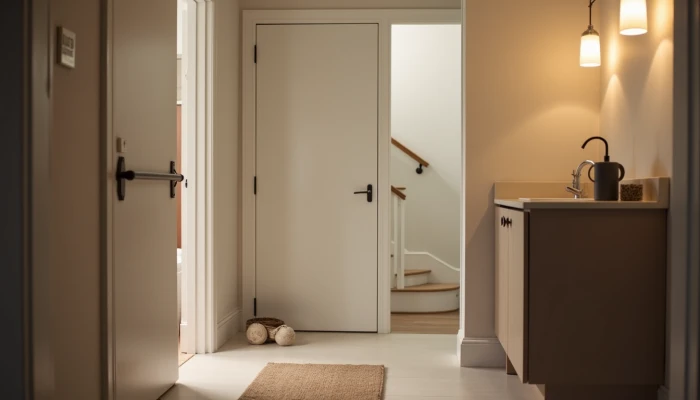
The Home Safety Problems Families Often Miss Until a Fall Happens
Helping someone stay safe at home can feel harder than it sounds. Many risks are easy to overlook because they are part of everyday life: a dim hallway, a loose rug, a high tub wall, or a staircase that has become more tiring over time.
For families thinking about aging at home, the challenge is often not knowing where to start. A long list of possible changes can feel overwhelming, especially when needs are changing gradually rather than all at once.
A practical approach is to focus on the most common home safety problems first. National guidance on aging in place consistently recommends a room-by-room review to identify hazards, improve accessibility, and match the home to the older adult’s current abilities.
This guide covers three major problem areas that often affect safety and independence:
- fall risks in everyday spaces
- mobility challenges around the home
- bathroom safety issues
The goal is not to promise perfect safety. It is to help families notice common problems earlier and make sensible improvements that reduce strain, support daily routines, and make the home easier to navigate.
Top Fall Risks in the Home Environment
Falls are a major concern for older adults at home. Public health guidance consistently identifies falls as a leading cause of injury in later life, which is why basic home safety changes matter so much.
Many fall hazards are not dramatic. They are ordinary features that become harder to manage with age, such as poor lighting, cluttered walkways, uneven flooring, or stairs used several times a day.
Common trouble spots include:
- throw rugs that slide or curl at the edges
- electrical cords crossing walking paths
- slippery entryways or kitchen floors
- low lighting in hallways, stairs, and bedrooms
- missing or unstable handrails on stairs
- frequently used items stored too high or too low
A simple home safety checklist for elderly parents can help families prioritize what to fix first. Start with places used every day, then move to lower-traffic areas.
Use this quick room-by-room checklist:
- Check whether walkways are clear and wide enough for steady movement.
- Remove or se loose rugs.
- Improve lighting near stairs, entrances, and the path to the bathroom.
- Confirm stair railings feel sturdy on both ascent and descent.
- Add non-slip mats only where they lie flat and do not bunch up.
- Move commonly used items to waist or shoulder height when possible.
If you are deciding what to address first, this simple table can help.
| Hazard | Why it matters | Simple first step |
|---|---|---|
| Poor lighting | Makes edges, steps, and clutter harder to see | Add brighter bulbs or plug-in/night lighting where needed |
| Loose rugs | Can catch feet or mobility aids | Remove them or se them firmly |
| Cluttered pathways | Reduces balance space and creates trip points | Clear main walking routes first |
| Slippery floors | Raises risk after spills or wet shoes | Clean spills quickly and use slip-resistant surfaces where appropriate |
| Stairs without support | Increase strain and instability | Repair or add sturdy handrails through a qualified installer if needed |
These changes are simple, but they still require judgment. For example, a mat can help in one area and create a tripping hazard in another. A brighter bulb can improve visibility, but glare can also be a problem. The safest choice is usually the one that makes walking paths clearer, steadier, and easier to see.
A senior fall prevention checklist is most useful when it is repeated. Homes change over time, and so do the people living in them. Rechecking the environment every few months can catch new risks before they become routine.
Mobility Challenges and Accessibility Improvements
A home can feel familiar and still be difficult to move through. Mobility challenges often show up first in small ways: needing to hold onto furniture, avoiding certain rooms, taking stairs more slowly, or struggling with doorknobs and thresholds.
The problem is not always a single medical issue. Sometimes the home itself creates friction. Narrow doorways, tight turns, uneven transitions between rooms, and heavy doors can all make daily movement harder.
Common mobility barriers include:
- stairs between essential living areas
- narrow hallways or doorways
- furniture crowding major walking paths
- round doorknobs that are hard to grip
- high shelves or low storage that require bending or reaching
- thresholds that catch feet, walkers, or rollators
AARP guidance on aging in place often emphasizes starting small and focusing on the areas used most. That can make the process more manageable for caregivers and older adults alike.
A practical order of operations looks like this:
- Clear the main routes used every day, such as bedroom to bathroom and kitchen to living area.
- Remove extra furniture or storage items that narrow movement space.
- Improve access to frequently used items so less reaching and bending is needed.
- Replace hard-to-turn knobs with lever-style handles where appropriate.
- Review stairs, thresholds, and entrances for added support needs.
Mobility aids can help, but they work best when the environment supports them. A walker or rollator does not solve a narrow path, poor lighting, or a cluttered corner. In some homes, the first improvement is not a device but a clearer route and fewer obstacles.
This is also where families should think in terms of function, not just equipment. Ask practical questions such as:
- Can the person reach the bathroom safely at night?
- Can they carry a meal from the kitchen to the table without needing to brace on furniture?
- Can they enter and leave the home without a difficult step or unstable surface?
- Are the rooms they use most located on the same level?
If the answer to several of these questions is no, it may be time to consider accessibility changes such as ramps, doorway adjustments, or other home modifications for seniors. Some changes are simple; others should be planned with qualified professionals, especially when they involve structural work.
The goal is not to make the home look clinical. It is to reduce unnecessary strain and help the person move through daily routines with less effort and fewer obstacles.
Bathroom Safety Modifications
Bathrooms deserve special attention because they combine water, hard surfaces, tight spaces, and frequent transfers in and out of standing or seated positions. Even a small bathroom safety issue can become a daily risk.
For many families, bathroom safety for seniors is the first place where home changes feel urgent. Getting in and out of the tub, stepping onto a wet floor, lowering onto the toilet, or reaching for a towel can all be harder than they appear.
Common bathroom concerns include:
- slippery floors after bathing or handwashing
- tub or shower entry that requires a high step
- lack of stable grab points near the toilet or shower
- poor lighting during nighttime bathroom trips
- clutter on the floor or around the sink
- towels, soap, or supplies stored out of easy reach
A practical bathroom review should focus on both stability and convenience. When the room is easier to use, people are less likely to rush, twist awkwardly, or rely on unstable supports.
Useful modifications may include:
- properly installed grab bars near the toilet and bathing area
- a raised toilet seat when standing up and sitting down has become difficult
- a shower chair if standing for the full shower is tiring or unsteady
- hand-held shower features when appropriate
- battery-powered night lights for the route to and inside the bathroom
- storage changes that keep daily items within easy reach
It also helps to remove anything that encourages unsafe movement.
- Do not leave loose bath mats where they slide easily.
- Do not store frequently used items in low cabinets if bending is difficult.
- Do not rely on towel bars or sink edges as if they were support rails.
If you are unsure where to begin, start with the highest-risk tasks:
- Getting in and out of the shower or tub
- Sitting down on and standing up from the toilet
- Walking to the bathroom at night
- Turning around in a small space without bumping into obstacles
This kind of review can double as part of a broader senior fall prevention checklist. The bathroom may be only one room, but it often combines several risk factors at once: wet surfaces, low visibility at night, and repeated transfers.
Some families may eventually consider larger changes, such as a walk-in shower. Others may only need better lighting, clutter removal, and se support features. The right choice depends on current ability, the layout of the home, and whether the person can use the space safely day after day.
Conclusion
A safer home usually starts with better observation, not a major renovation. When families look closely at daily routines, the most important risks often become clearer: tripping hazards in walkways, mobility barriers between rooms, and bathroom setups that no longer match the person’s needs.
A good next step is to do a room-by-room review and write down what makes everyday tasks harder. Focus first on the spaces used most and the problems that affect walking, transfers, and nighttime movement.
Keep the process simple:
- start with one room at a time
- fix obvious hazards first
- prioritize changes based on the older adult’s actual routines
- reassess as needs change
If mobility has changed significantly, or if the home may need structural modifications, it is reasonable to ask for help from a healthcare provider, occupational therapist, or qualified home safety professional. Thoughtful changes cannot remove all risk, but they can make aging at home more manageable, more comfortable, and better aligned with everyday independence.