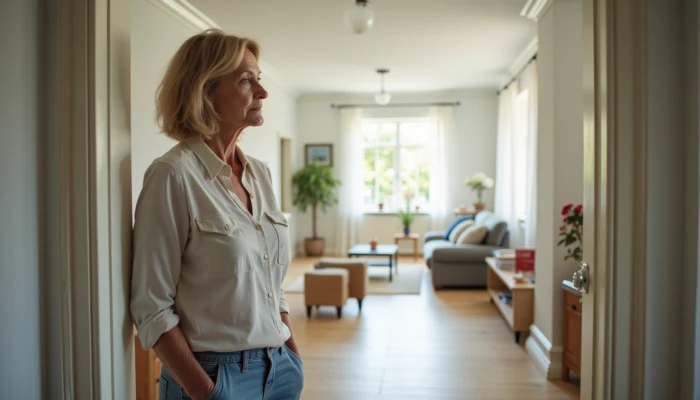
How to Check an Older Adult’s Home for Safety Without Overwhelming the Space
A home safety assessment can help families make an older adult’s home easier to navigate, more comfortable to use, and better prepared for emergencies. The goal is not to make the home feel clinical. It is to remove avoidable obstacles and support daily routines with realistic changes.
For many families, the hard part is knowing where to start. It can feel easy to miss small risks such as poor lighting, slippery flooring, hard-to-reach storage, or missing hand support in key areas. A structured review makes the process more manageable.
This guide walks through a practical way to assess home safety for seniors room by room. It also explains which fixes are often worth doing first, where source-backed guidance points to common hazards, and when a professional assessment may be the better next step.
Understanding the Purpose of Home Safety Assessments
A home safety assessment is a systematic review of how well a living space supports everyday movement, bathing, cooking, sleeping, and emergency response. Instead of guessing what might help, families can look at the home in an organized way and identify specific barriers.
This matters because risks are often spread across the home rather than limited to one obvious problem. A loose rug in the hallway, dim lighting near the bathroom, and a missing handrail at the front steps may each seem minor on their own. Together, they can make daily routines harder and less predictable.
A structured assessment usually focuses on three areas:
- Fall hazards, such as slippery surfaces, clutter, uneven flooring, and poor lighting
- Accessibility barriers, such as narrow pathways, hard-to-reach storage, and difficult transfers in bathrooms or at entryways
- Emergency readiness gaps, such as unclear contact information, limited access to a phone, or no plan for getting help quickly
Using a repeatable process also helps families prioritize. Some changes are simple and low cost, while others require planning or professional input. An assessment makes it easier to separate urgent fixes from improvements that can wait.
A useful mindset is to observe the home based on real routines. Watch how the person gets out of bed, moves to the bathroom at night, carries laundry, reaches kitchen items, and enters or exits the home. That practical view often reveals more than a general walk-through.
Room-by-Room Evaluation Framework
A room-by-room review helps ensure nothing important gets skipped. You do not need special equipment to begin. A notebook, phone camera, and simple checklist are usually enough for a first pass.
Use this sequence during the walk-through.
- Start at the main entrance and follow the person’s usual path through the home.
- Look for places where balance, reach, grip, or visibility may be challenged.
- Note whether the person uses furniture, walls, or counters for support.
- Mark each issue as fix now, plan soon, or ask a professional.
This simple checklist can help during the assessment.
| Area | What to check | Common improvement ideas |
|---|---|---|
| Entryways | Steps, thresholds, lighting, railings, door ease | Add lighting, se railings, reduce tripping edges |
| Hallways | Clutter, cords, rugs, pathway width | Clear walkways, se rugs, improve lighting |
| Bathroom | Tub or shower entry, grab support, wet floors, toilet height | Add grab bars, non-slip surfaces, shower seating |
| Kitchen | Reach to daily items, appliance safety, floor condition | Move essentials lower, clear pathways, improve organization |
| Bedroom | Bed height, nighttime lighting, path to bathroom | Add lamp access, night lights, clear floor space |
| Stairs | Handrails, tread visibility, lighting | Improve lighting, repair rails, add contrast markings |
In the bathroom, pay close attention to transfers in and out of the tub or shower. This is one of the most important areas to review because wet surfaces, tight spaces, and frequent use can combine to raise risk. Practical guidance commonly emphasizes non-slip surfaces, sturdy grab bars for seniors, better lighting, and keeping toiletries within easy reach. A shower chair may also help when standing for bathing is tiring or unsteady.
In the kitchen, focus on routine tasks rather than appearance. Are dishes, cookware, and food stored where they can be reached without climbing or bending deeply? Are pathways clear enough for a walker if needed? Is the floor easy to keep dry and free of clutter? Small layout changes often improve safety without a remodel.
At stairs and entryways, look for loose surfaces, poor visibility, and missing support. Handrails on stairs, brighter lighting at doors, and safer transitions over thresholds are common priorities. If steps are becoming difficult, this may be the point where a ramp, lift, or other larger modification should be discussed with a qualified professional.
Do not forget the route between rooms. Many near-misses happen in hallways, doorways, and nighttime paths to the bathroom rather than during major activities.
Source-Backed Recommendations for Modifications
Once you have a list of issues, the next step is choosing what to change first. In many homes, the most useful improvements are not the most expensive ones. Source-backed aging-in-place guidance often recommends starting with basic changes that improve visibility, reduce slipping, and make daily tasks easier.
Common first steps include:
- Improving lighting in hallways, bathrooms, stairs, and entry points
- Removing or securing loose rugs
- Adding slip-resistant surfaces in wet areas
- Installing properly placed grab bars in bathing and toilet areas
- Using shower seating when standing balance or endurance is limited
- Reorganizing frequently used items so they are easier to reach
Research summaries on home modifications and fall prevention suggest that environmental changes can meaningfully support safety and function, though results depend on the person, the home, and how well the changes match actual needs. That is why it is better to think in terms of reducing risk rather than promising a specific outcome.
A practical way to prioritize is to score each issue using three questions.
- How likely is this area to be used every day?
- How serious could the consequence be if something goes wrong?
- How easy is it to improve this problem now?
For example, a dim bathroom light used several times each night may deserve attention before a less-used guest room. Likewise, a missing handhold at the shower entry may matter more than a cosmetic flooring issue elsewhere.
If budget is limited, start with changes that support the most frequent and highest-risk routines. For many households, that means bathroom safety for seniors, nighttime pathways, and stair visibility before larger renovation projects.
It is also important to avoid overcorrecting. Too many add-ons, bulky furniture changes, or poorly placed accessories can create new obstacles. The best modifications usually make the home simpler to use, not more crowded.
When to Seek Professional Assessment
A do-it-yourself review can catch many obvious issues, but some situations call for professional input. This is especially true when mobility is changing, transfers are becoming difficult, or larger modifications are being considered.
A professional home safety assessment may be helpful when:
- The person has had recent falls or near-falls at home
- Bathroom entry, toilet transfers, or stair use are becoming difficult
- A walker, wheelchair, or other mobility aid may affect room layout
- The home may need structural changes such as ramps, widened doorways, or major bathroom updates
- Family members disagree on what changes are necessary
Occupational therapists are often especially useful because they assess both the person and the environment together. That means recommendations can be tailored to daily routines, strength, balance, reach, and equipment needs rather than based on the home alone.
Professional assessments may include:
- Observation of walking, transfers, and daily tasks
- Review of bathroom, kitchen, bedroom, and entry access
- Recommendations for adaptive equipment or layout changes
- Prioritized modification plans for immediate and longer-term needs
This kind of support can be valuable in safety-critical spaces such as bathrooms and stairs, where placement and fit matter. It is also important when a project involves licensed trades or building-code considerations.
A professional assessment does not replace family involvement. It gives families a clearer roadmap so they can make better decisions about what to change, what to monitor, and what may need follow-up later.
Emergency Preparedness and Caregiver Planning
Home safety is not only about reducing hazards. It also includes being ready when something unexpected happens. A safer home works best when paired with a simple emergency plan and realistic caregiver backup.
Start with an emergency checklist that is easy to find and easy to update.
- Full names and phone numbers for emergency contacts
- Current medication list
- Primary doctor and pharmacy contact information
- Allergies and key medical conditions, if relevant
- Instructions for pets, building access, or lockbox details
- Preferred hospital, if the household wants that noted
Place copies where they are practical, such as near the refrigerator, in a caregiver binder, and with a trusted family member.
Medical alert systems can also be part of a broader plan, especially for someone who spends time alone. A device with fall detection may add another layer of support, but it should not be treated as a complete solution. Clear pathways, working lighting, routine check-ins, and emergency contacts still matter.
Caregiver planning is just as important. If one person handles most support, create a backup plan for illness, travel, or burnout. That plan can include:
- A second contact who can respond quickly
- Shared access to key information and schedules
- A list of nearby helpers, neighbors, or service providers
- Planned respite time so caregiving remains sustainable
Revisit the emergency plan after any major change, such as a hospitalization, a move of the bedroom, new mobility equipment, or a noticeable decline in balance or endurance. Home safety works best when the environment and the care plan are updated together.
Conclusion
A home safety assessment is not a one-time project. It is an ongoing way to keep the home aligned with changing needs, routines, and abilities.
For many families, the most effective approach is a balanced one: start with a practical walk-through, fix the clearest hazards, and bring in professional help when the situation becomes more complex. That keeps the process manageable while still taking important risks seriously.
The goal is not to remove every challenge or promise perfect safety. It is to create a home that supports comfort, confidence, and independence as well as possible. Small changes, made thoughtfully and reviewed regularly, can go a long way.