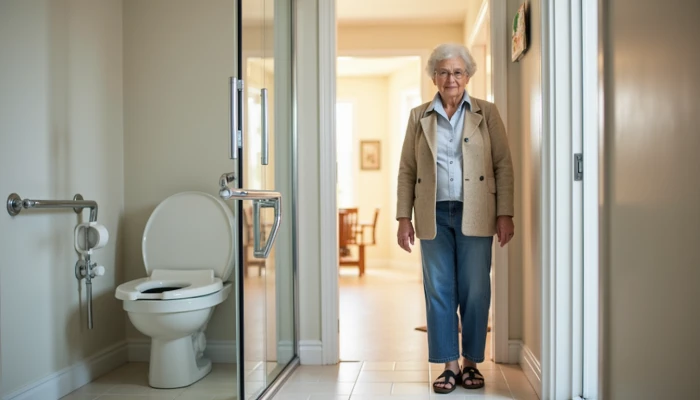
Practical Home Changes That Make Aging at Home Easier
Making a home easier to use does not always require a full remodel. In many cases, a few well-chosen changes can reduce daily strain, improve confidence, and support independent living for seniors.
For families comparing options, the challenge is often knowing where to start. There is a lot of advice online, but not all of it is practical, affordable, or appropriate for every home. This guide focuses on realistic home modifications for seniors, especially in bathrooms, kitchens, and other high-use areas.
The goal is not to promise perfect safety. No single change can remove every risk. Instead, the aim is to help you prioritize improvements that match the older adult’s mobility, routine, home layout, and budget.
Key Bathroom Modifications for Senior Safety
Bathrooms are one of the first places many families choose to update. Wet floors, tight spaces, and the need to sit, stand, and step over tub walls can make this room harder to use safely.
A strong starting point is adding grab bars for seniors in the places where support is most needed. Common locations include next to the toilet, inside the shower, and just outside the bathing area. These are not the same as towel bars, which are not designed to support body weight.
Other bathroom safety for seniors improvements often include replacing a traditional tub setup with a lower-entry shower, or adding a shower chair for seniors when standing for the full shower is tiring or unsteady. A shower chair can be a practical lower-cost step before a larger remodel, depending on the person’s needs and the bathroom layout.
Non-slip flooring is another common upgrade. If a full floor replacement is not realistic, families may start by removing slick rugs and choosing safer surfaces or mats designed for wet areas. Comfort-height toilets or raised toilet seats may also make sitting down and standing up easier.
A simple way to prioritize bathroom changes is to look at the tasks that happen every day:
- Getting on and off the toilet
- Entering and exiting the shower or tub
- Standing on wet surfaces
- Reaching soap, towels, and other essentials
- Using the room at night with limited lighting
If more than one of these tasks is difficult, it may be time for a more structured bathroom update. For larger projects, such as changing the shower layout or moving plumbing fixtures, professional input is usually the safer route.
Kitchen Adjustments for Improved Accessibility
Kitchens often need a different kind of planning. The goal is usually not just fall prevention at home, but also reducing strain during routine tasks like washing dishes, preparing food, and reaching everyday items.
One of the simplest changes is replacing round faucet knobs with lever faucets. This can make a noticeable difference for people with arthritis, limited grip strength, or hand pain. Cabinet and drawer hardware can also be swapped for larger, easier-to-grasp pulls.
Storage matters just as much as fixtures. Pull-out shelves, drawer organizers, and frequently used items moved to waist-level storage can reduce bending, kneeling, and overreaching. These changes can make the kitchen more usable without changing the whole layout.
Lighting is another practical upgrade. Better task lighting over counters, sinks, and cooking areas can improve visibility and reduce mistakes. In some homes, under-cabinet lighting or brighter bulbs may be enough. In others, a broader lighting redesign may be worth considering.
Some households also look at counter height and clearance. Raised or adjusted work surfaces may help in certain situations, especially if the older adult uses a seated position for some tasks. But this kind of change is usually part of a larger renovation rather than a quick fix.
When deciding what to change first, this comparison can help:
| Kitchen issue | Lower-cost adjustment | Larger modification |
|---|---|---|
| Hard-to-turn faucet handles | Lever faucet | Sink and counter reconfiguration |
| Bending to reach cookware | Pull-out shelves | Cabinet replacement |
| Poor visibility while cooking | Brighter bulbs or task lights | Rewired lighting plan |
| Cluttered counters | Drawer organizers and storage zones | Full kitchen redesign |
For many families, the best approach is to improve access to the items used every day first. That often delivers more immediate benefit than starting with cosmetic updates.
General Home Accessibility Improvements
Whole-home accessibility often comes down to movement, visibility, and reducing small barriers that add up over time. These changes can support aging in place even when the person does not yet use a walker or wheelchair full-time.
Doorway width is one example. In homes with narrow openings, mobility aids may be difficult to maneuver. Widening doorways to about 32 inches is commonly cited in accessibility guidance when mobility equipment is part of the picture. This is a more involved change, but it can make a major difference in daily movement through bathrooms, bedrooms, and hallways.
Lighting is another high-value improvement. Hallways, stairs, entryways, and bathrooms benefit from brighter, more even lighting. Nightlights can help with nighttime trips, especially between the bedroom and bathroom. On stairs, clear visibility at the top and bottom steps is especially important.
Flooring and transitions also deserve attention. Loose rugs, curled edges, and slippery entry surfaces can create avoidable hazards. In wet zones such as entryways, laundry areas, or near exterior doors, non-slip mats or more slip-resistant flooring may help. The goal is to create a smoother walking path, not to rely on one product as a complete solution.
A simple room-by-room check can help families spot priorities:
- Are walkways clear enough for a cane, walker, or steady side-by-side assistance?
- Are the most-used rooms easy to reach without climbing stairs?
- Is there enough lighting for nighttime movement?
- Are there thresholds or floor changes that catch feet or wheels?
- Are frequently used switches, handles, and storage areas easy to reach?
If several barriers show up in the same path through the home, it may be more useful to improve that route first than to make scattered changes in many rooms. A safer path from bed to bathroom to kitchen often matters more than a long list of minor updates elsewhere.
Cost-Conscious Considerations and Professional Consultation
Budget matters in almost every aging at home plan. The good news is that not every useful change is expensive. Many families start with lower-cost updates, then save larger renovations for the areas that affect daily safety and access the most.
Common lower-cost improvements include:
- Lever faucets
- Easier-to-grip cabinet hardware
- Brighter bulbs and nightlights
- Non-slip surfaces in wet areas
- Reorganizing storage so daily items are easier to reach
- Adding a shower chair where appropriate
These changes may be easier to complete quickly and can help you learn what the older adult actually uses before committing to a major remodel.
Larger projects need more planning. Bathroom remodels with accessibility upgrades can involve a wide cost range, especially when plumbing, flooring, or layout changes are involved. Stair lifts, doorway widening, and structural changes can also add significant expense depending on the home.
A practical sequence is often:
- Fix immediate hazards such as poor lighting, slippery surfaces, and difficult-to-use fixtures.
- Improve the rooms used every day, especially the bathroom and kitchen.
- Reassess whether larger changes are still needed after the smaller updates are in place.
- Get quotes for complex projects before deciding on scope.
Professional help is important when a project affects structure, plumbing, electrical systems, waterproofing, or load-bearing walls. The same applies when grab bars need se installation into proper wall support, or when a layout change could affect safe movement through the space.
It can also help to consult an occupational therapist, accessibility specialist, or qualified aging-in-place professional if the older adult’s needs are changing quickly. They may help identify which modifications are most useful now and which can wait.
The most cost-conscious plan is not always the cheapest one upfront. It is often the one that focuses spending on the changes the person will use every day, while avoiding unnecessary upgrades that do not match their actual needs.
Conclusion
The most effective home updates are usually the ones that match real daily routines. A safer shower setup, easier kitchen storage, better lighting, or a clearer walking path can matter more than a long list of trendy upgrades.
If you are planning home modifications for seniors, start with the spaces used most often and the tasks that feel hardest right now. Choose lower-cost changes where they make sense, and bring in qualified professionals for projects that involve installation safety, structural work, plumbing, or electrical systems.
Aging in place works best as an ongoing process. Small, thoughtful changes made at the right time can make a home more comfortable, more accessible, and easier to manage without overpromising what any single modification can do.