When a Medical Alert System Helps—and When It’s Not Enough
A medical alert system can be a helpful safety tool for an older adult who lives alone or spends parts of the day without someone nearby. It can make it easier to call for help after a fall, sudden illness, or other urgent problem.
But families sometimes expect too much from these devices. Medical alert systems do not prevent falls, fix unsafe bathrooms, manage worsening health conditions, or replace hands-on support when a person needs more help than a button or wearable can provide.
A more realistic way to think about them is this: they can improve access to help, but they are only one layer of a safer aging-at-home plan. The sections below explain how they work, where they can help, where they can fall short, and when it makes sense to add home changes or professional support.
What Are Medical Alert Systems and How Do They Work?
Medical alert systems are devices designed to help a person quickly call for assistance during an emergency. In many setups, the user wears a pendant, wristband, or other small device with a help button. Some systems also include a base unit in the home, while others use cellular service and work beyond the house.
In a basic emergency, the process is usually simple: the user presses the button, a signal is sent, and help is contacted. What happens next depends on the type of system.
Monitored systems connect the user to a response center that is staffed around the clock. The operator may speak through the device, contact emergency services, or call listed family members or caregivers based on the situation and the plan on file.
Unmonitored systems do not route calls through a response center. Instead, they may call a family member, caregiver, or directly dial emergency contacts. That can work well in some households, but it depends heavily on someone being available and able to respond.
Features vary. Some devices are marketed as waterproof or water-resistant for bathroom use, which matters because bathroom safety for seniors is a common concern. Others may include automatic fall detection, GPS location support, or connections with home monitoring tools. These features can be useful, but they do not remove the need to check practical details like signal coverage, charging needs, and whether the user will actually wear the device consistently.
Benefits of Medical Alert Systems for Seniors and Caregivers
The biggest benefit of medical alert systems is faster access to help. For an older adult who lives alone, that can reduce the time spent waiting after a fall, fainting episode, or sudden health problem.
They can also support independence in a realistic way. Some older adults want reassurance without having another person physically present all day. A device may help them feel more comfortable moving around the house, especially in higher-risk areas like the bathroom or near stairs.
For caregivers, the benefit is often peace of mind. Knowing there is a simple way to call for help can ease some worry during work hours, overnight, or when caregiving is shared across family members.
In some situations, a medical alert system may also be a lower-cost layer of support than constant in-person supervision. That does not mean it replaces care. It means it may fill a gap when a household needs some backup but is not in a position to provide round-the-clock help.
Medical alert systems may be especially helpful when these conditions are true:
- The older adult understands when and how to use the device.
- They are willing to wear it regularly.
- The home has reliable phone or cellular coverage for the chosen setup.
- Family members understand what the system can and cannot do.
- The device is paired with other safety steps, such as better lighting and easier emergency access.
Used this way, the system is not the whole plan. It is a tool that supports a larger plan.
Limitations and Risks of Relying Solely on Medical Alert Systems
The main risk is assuming the device solves a broader safety problem. It does not. A medical alert system may help after an emergency starts, but it does not remove hazards that make emergencies more likely.
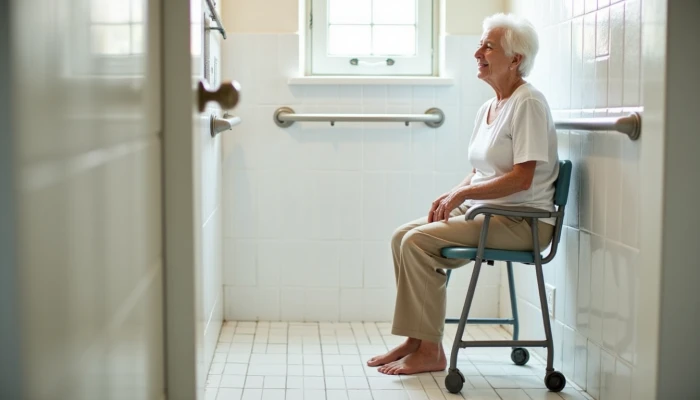
For example, a help button does not make a slippery bathroom safe. If someone struggles getting on and off the toilet or stepping into the tub, the better answer may include grab bars for seniors, a shower chair for seniors, non-slip flooring, or a professional home safety assessment.
There are also practical limitations.
- The user may forget to wear the device.
- The device may need charging and be unavailable when needed.
- Automatic fall detection may not catch every event, and some alerts may be false alarms.
- Poor landline or cellular coverage can interfere with signal reliability.
- A person who is confused, unconscious, or physically unable to press the button may not get help unless the system has another way to trigger a response.
Another concern is delayed recognition of changing needs. If a family sees the device as the answer to everything, they may miss signs that the older adult now needs more support, such as repeated falls, wandering, trouble bathing safely, missed meals, or increasing confusion.
A simple way to think about the limitation is this:
| What the system may do | What it does not do |
|---|---|
| Help contact someone during an emergency | Remove tripping hazards |
| Provide a response pathway after a fall | |
| Offer reassurance for some users and caregivers | Treat health conditions |
| Support a person living alone in some situations | Replace caregivers, therapists, or clinicians when those are needed |
If a household treats the device as backup rather than a complete solution, expectations are usually more realistic.
Monitored vs. Unmonitored Systems: Key Considerations
The choice between monitored and unmonitored systems is less about which one is universally better and more about which one fits the person’s actual situation.
Monitored systems usually offer 24/7 access to a response center. That can be useful when family members are not always reachable, live far away, or cannot reliably answer calls at all hours. The tradeoff is ongoing cost and the need to understand exactly how the response process works.
Unmonitored systems may be simpler and may work for households with dependable local support. But they place more responsibility on the user and family. If the alert goes to a relative who is asleep, at work, or out of service range, the response may be slower.
This comparison can help families sort through the decision:
| Consideration | Monitored system | Unmonitored system |
|---|---|---|
| Who responds first | 24/7 response center | Family, caregiver, or direct contact chosen by user |
| Best fit | Older adult alone for long periods, limited nearby support | Reliable support network that can respond quickly |
| Main advantage | Professional response pathway at any hour | Simpler setup for some households |
| Main concern | Ongoing monthly cost | Help may depend on one person being available |
| Important questions | How are emergencies handled? What happens if the user cannot speak? | Who gets the alert? How quickly can they respond? |
No matter which type a family chooses, it helps to ask a few practical questions before signing up.
- Will the user wear it every day?
- Does it work in the bathroom and other high-risk areas?
- What happens if the user cannot talk?
- Is the device easy to charge, test, and maintain?
- Does the home have reliable coverage for the system type?
Those details often matter more than extra features on a sales page.
When to Seek Professional Help Beyond Medical Alert Systems
A medical alert system should prompt a bigger conversation when problems keep happening. If the device is used often, or almost needed often, that may be a sign the home setup or care plan needs to change.
Professional help may be worth considering when:
- Falls are becoming more frequent.
- The older adult has trouble bathing, dressing, or moving safely through the home.
- There are signs of memory loss, confusion, or wandering risk.
- Family caregivers are stretched too thin to respond reliably.
- The person has complex medical needs that require regular oversight.
The right next step depends on the issue. A physical therapist or occupational therapist may help with mobility and safe transfers. A home safety professional may identify practical changes such as better lighting, grab bars, safer entryways, or improved bedroom and bathroom layout. A clinician may need to evaluate new dizziness, weakness, or changes in function.
This is also where families should be careful not to over-rely on technology in dementia-related situations. A help button may still have a role, but cognitive impairment can make it harder to remember when or how to use it. In some cases, a medical ID, in-person supervision, or more structured caregiving support may be more important than the alert device itself.
If you are unsure whether the current setup is enough, use this quick check:
- Has the person fallen more than once recently?
- Do they avoid bathing because the bathroom feels unsafe?
- Are they forgetting to wear or charge the device?
- Have they become confused during emergencies or near-emergencies?
- Is the family relying on the device instead of addressing obvious home hazards?
If you answer yes to several of these, it may be time to add more than a device. Common next steps include bathroom safety upgrades for seniors, mobility support, caregiver planning, or a professional assessment of the home and the person’s daily needs.
Conclusion
Medical alert systems can be a helpful part of senior home safety, especially for older adults who live alone and can use the device consistently. They may improve access to help and give families more peace of mind.
Still, they work best when expectations stay realistic. They do not prevent falls, fix unsafe bathrooms, or replace professional care when a person’s needs become more complex.
For most families, the better question is not whether to rely on a device alone. It is how to fit that device into a broader plan that may also include home modifications for seniors, caregiver coordination, and professional guidance when warning signs appear. That approach is usually safer, more practical, and easier to sustain over time.